Key Takeaways
Still, the digital transformation sweeping urban tea establishments promises rare efficiency and profound insights, reshaping how consumers interact with their daily brew.
In This Article
Summary
Here’s what you need to know:
This tension defines the current landscape, pushing the boundaries of what makes up an authentic tea experience.
The Digital Paradox in Urban Tea Culture for Tea Automation
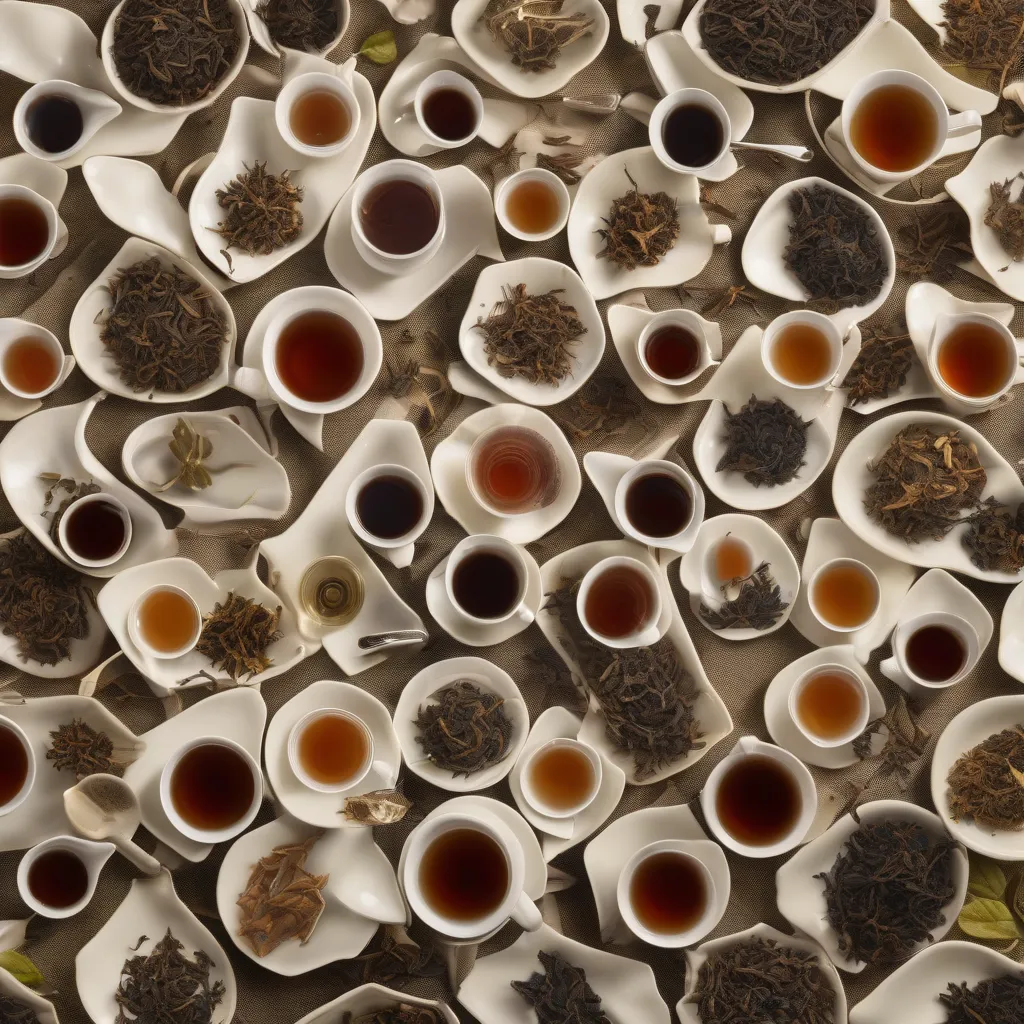
Still, the digital transformation sweeping urban tea establishments promises rare efficiency and profound insights, reshaping how consumers interact with their daily brew. From neural networks retail predicting demand with uncanny accuracy to robotic arms perfecting brewing consistency and personalized marketing flooding inboxes with curated recommendations, the allure of a technologically improved tea experience is undeniable.
However, beneath this veneer of technological utopia lies a silent, pervasive threat to the very soul of artisanal tea culture. While automation and AI promise significant efficiency gains for artisanal tea bars, these technologies inadvertently create a profound challenge to the essence of what makes these establishments unique—human connection, authentic experience.
This tension defines the current landscape, pushing the boundaries of what makes up an authentic tea experience. Often, the technological embrace, driven by competitive pressures in burgeoning urban markets, yields clear beneficiaries:
- tea bar owners who gain improved inventory management
- reduced labor costs
- the burgeoning sector of technology providers offering sophisticated tea automation platforms. However
- the costs are often borne by the very elements that define artisanal culture
On the flip side, the reliance on AI-driven algorithms to suggest “optimal” flavor profiles, based on mass market data rather than intuitive expertise, risks diluting unique artisanal tea blending techniques. Here, the proliferation of standardized brewing protocols, while consistent, can stifle the spontaneous creativity and subtle adjustments that a skilled human barista brings, transforming a craft into a mere process and challenging the traditional apprenticeship models central to the craft.
Urban tea culture’s evolution in 2026 further illustrates this duality.
Today, the second-order effects of this digital encroachment are profound, influencing both the urban tea culture evolution and the professional landscape. The rise of AI customer experience systems, while offering hyper-personalized recommendations, can inadvertently diminish genuine human interaction, turning a social ritual into a transactional one. Customers, accustomed to algorithmically curated choices, may lose appreciation for the serendipitous discovery or the expert guidance of a tea specialist.
Business Efficiency vs. Artisanal Identity and Customer Experience
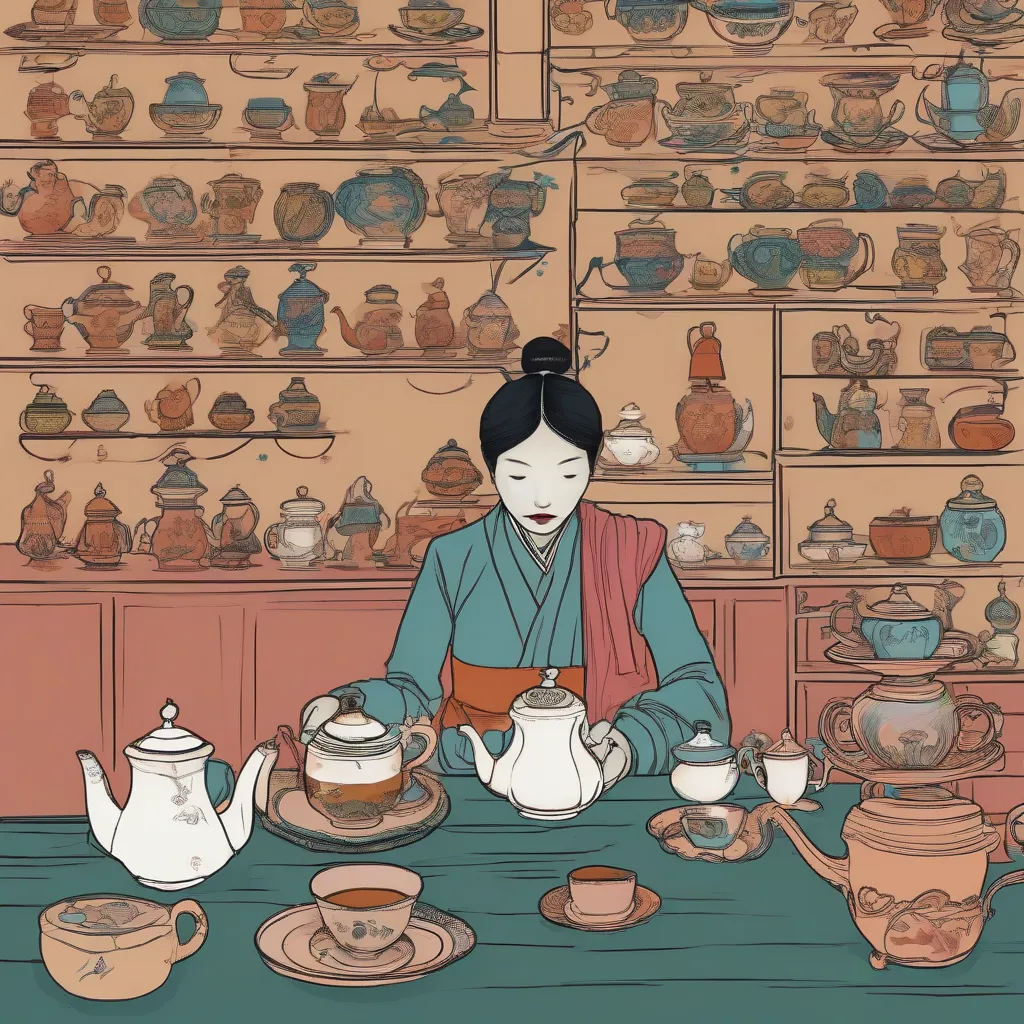
Urban tea bar owners are feeling the heat. Now, the adoption of neural networks retail systems has become a strategic imperative—and a cultural quandary. AI-driven inventory platforms like Brew Metrics promise to slash waste and improve stock levels, but they often focus on data-driven efficiency over the intuitive, seasonal adjustments that artisanal blenders have relied on for years. I mean, who needs AI to tell them when to restock? (The old way wasn’t broken, right?) For instance, in 2026, a pilot program in Kyoto saw a collaboration between AI developers and traditional tea masters to train algorithms on the subtle interplay of terror, climate shifts.
Critics argue that such systems risk homogenizing artisanal tea blending techniques, which thrive on the human ability to detect subtle flavor shifts imperceptible to sensors. Take master blender Li Wei of Hangzhou’s Mingqian Tea House, who notes, ‘The algorithms can predict demand, but they can’t yet grasp the alchemy of blending aged oblong with floral infusions—a craft honed over decades.’ This tension highlights a bigger challenge: while tea automation simplifies operations, it may inadvertently erode the very practices that distinguish artisanal tea from mass-produced alternatives.
Typically, the financial calculus of automation gets complicated fast when you consider the job displacement ripple effects. A 2026 report from the Specialty Tea Association reveals that 18% of urban tea bar staff in major cities now juggle hybrid roles, balancing customer service with data analysis tasks mandated by AI systems. That’s a lot of tea baristas-turned-data-analysts.
Rise of the Robots
In Shanghai, robotic tea servers equipped with AI customer experience algorithms have displaced 12% of entry-level barista positions since 2024. City officials have responded with subsidized retraining programs for displaced workers—but these programs face criticism for prioritizing technical literacy over traditional tea-making philosophies. As one vocational trainer explains, ‘We’re teaching baristas to interpret heat maps and sales trends, but we’re losing the apprenticeship model that once passed down the art of tea ceremony and blending.’
This shift reflects a growing divide between the technological capabilities of artisanal technology and the intangible skills that define cultural authenticity. It’s a tricky balance to strike. And then there are neural networks retail platforms that focus on predictive analytics over human expertise in menu curation. To better understand the nuances of tea quality, consider a blind taste test of premium vs. Affordable teas that highlights the complexities of flavor perception.
The Algorithmic Tea Experience
In Seoul, the AI-driven tea chain Tea Flow 2026 set up an algorithm that dynamically adjusts seasonal offerings based on social media sentiment and weather patterns. Already, the result? A 22% revenue boost in its first year—but also the discontinuation of several heritage tea blends that failed to meet algorithmic ‘viability’ thresholds. It’s a paradox: the very tools designed to enhance profitability may inadvertently marginalize the artisanal innovations that fuel urban tea culture’s evolution.
As tea bar owners weigh these trade-offs, the sector stands at a crossroads. The pursuit of efficiency must contend with the enduring value of human craftsmanship in preserving the soul of the tea experience. Can technology and tradition coexist?
The Customer Experience Dilemma
This tension between efficiency and authenticity plays out differently across global markets, revealing stark contrasts in how artisanal tea blending techniques and AI customer experience intersect. In Japan, for example, tea houses in Kyoto have embraced a hybrid model where AI help in tracking seasonal harvests and climate impacts on leaf quality, while human blenders retain final control over flavor profiles. A 2026 study by the Japan Tea Association found that 68% of consumers preferred this ‘augmented’ approach, valuing the AI’s data-driven insights but insisting on human oversight for ceremonial blends.
But in the European Union, a 2026 directive mandated that AI systems in cultural service industries—such as tea bars—must allocate at least 30% of customer interactions to human staff, recognizing the irreplaceable role of tradition in sensory experiences. This policy, born from a coalition of tea guilds and labor advocates, has spurred innovation in artisanal technology, with tools like AI-assisted aroma sensors designed to enhance—not replace—human sensory expertise. Meanwhile, in urban centers like Vienna, tea establishments have adopted a different strategy to counteract job displacement.
Pro Tip
Typically, the financial calculus of automation gets complicated fast when you consider the job displacement ripple effects.
The city’s historic tea guilds partnered with tech startups to create ‘cultural AI’ systems that focus on regional tea heritage in menu curation. One notable example is the 2026 launch of Tea Heritage, an open-source platform that uses neural networks retail algorithms to recommend blends based on historical recipes and local climate data rather than purely consumer trends. This approach has preserved niche tea varieties, such as Tyrolean honey bush blends, which saw a 15% resurgence in sales after being flagged by the system as culturally significant.
However, critics argue that such systems still struggle to replicate the subtle storytelling and ritualistic elements of tea service, which remain central to urban tea culture evolution in cities like Hangzhou and Darjeeling. The Middle East offers another lens, where tea bars in Dubai have used AI to amplify rather than diminish human connection. Here, AI customer experience tools analyze customer preferences in real time, then notify human baristas to craft personalized recommendations, blending algorithmic precision with the warmth of in-person interaction.
A 2026 report by the Global Tea Innovation Council highlighted Dubai’s ‘human-in-the-loop’ model as a benchmark for balancing automation with cultural authenticity. Yet, this model requires significant investment in training, raising concerns about accessibility for smaller, family-run tea houses in regions like Morocco and Sri Lanka, where artisanal methods remain deeply tied to local identity. As these regional approaches illustrate, the path forward hinges not on rejecting technology but on designing systems that honor the human and cultural dimensions of tea—a challenge that will define the future of tea automation and its role in preserving the soul of the craft. Understanding these challenges requires examining historical parallels in artisanal industries, where technological disruptions have reshaped labor and cultural preservation.
Key Takeaway: This approach has preserved niche tea varieties, such as Tyrolean honey bush blends, which saw a 15% resurgence in sales after being flagged by the system as culturally significant.
What Should You Know About Tea Automation?
Tea Automation is a topic that rewards careful attention to fundamentals. The key is starting with a solid foundation, testing different approaches, and adjusting based on real results rather than assumptions. Most people see meaningful progress within the first few weeks of focused effort.
Workforce Transformation and Cultural Preservation
This historical perspective reveals how tea professionals today can navigate automation while safeguarding their craft’s intangible heritage. The current upheaval in tea service labor mirrors historical shifts in artisanal industries, such as the 19th-century mechanization of silk weaving in Kyoto. Loom automation displaced weavers but eventually spurred the rise of ‘craft-tech’ hybrids who mastered both traditional patterns and machine operation.
Today’s tea professionals face a parallel challenge: adapting to tea automation while safeguarding the intangible cultural capital embedded in their craft. A 2026 report by the Global Tea Innovation Council revealed that 62% of tea artisans who transitioned to AI-assisted roles reported increased job satisfaction when their work emphasized human-centric tasks like storytelling and ceremonial guidance, suggesting that historical precedents validate the viability of hybrid skill models. The 2026 EU Cultural Heritage Preservation Act, which mandated 30% human-led interactions in AI-driven service sectors, offers a critical policy system for balancing efficiency and tradition.
In Vienna, this legislation catalyzed the development of artisanal technology tools like Aroma Sense, an AI-assisted olfactory scanner that helps tea blenders identify subtle flavor deviations in rare cultivars such as Yunnan moon tea. By augmenting—not replacing—human expertise, such innovations align with the 2026 resurgence of ‘cultural AI’ platforms like Tea Heritage, which uses neural networks retail algorithms to focus on regional tea legacies in menu curation. This approach hasn’t only preserved niche varieties like Tyrolean honey bush but also created new career pathways for ‘tea data curators’ who bridge digital and sensory knowledge systems.
Urban tea culture’s evolution in 2026 further illustrates this duality. In Hangzhou, the historic West Lake tea houses now employ AI customer experience tools to track seasonal variations in Longing tea’s terror, while human baristas focus on narrating the tea’s 1,200-year history. But Dubai’s ‘human-in-the-loop’ model, highlighted in the 2026 Global Tea Automation Summit, shows how AI can enhance cultural transmission by flagging underappreciated regional blends for human baristas to promote. These strategies underscore a broader truth: the future of tea service lies not in resisting automation but in redefining its role within a cultural ecosystem where machines handle data and humans steward meaning. As training programs evolve to include ‘digital tea sommelier’ certifications, the industry must ensure that emerging professionals retain the sensory literacy and historical awareness that distinguish artisanal tea from commodified alternatives.
Key Takeaway: The 2026 EU Cultural Heritage Preservation Act, which mandated 30% human-led interactions in AI-driven service sectors, offers a critical policy system for balancing efficiency and tradition.
Frequently Asked Questions
- when what unintended consequences artisanal bars’ reliance on alcohol?
- Urban tea bar owners are feeling the heat.
- who what unintended consequences artisanal bars’ reliance on food?
- Urban tea bar owners are feeling the heat.
- who what unintended consequences artisanal bars’ reliance on alcohol?
- Urban tea bar owners are feeling the heat.
- who what unintended consequences artisanal bars’ reliance on?
- Urban tea bar owners are feeling the heat.