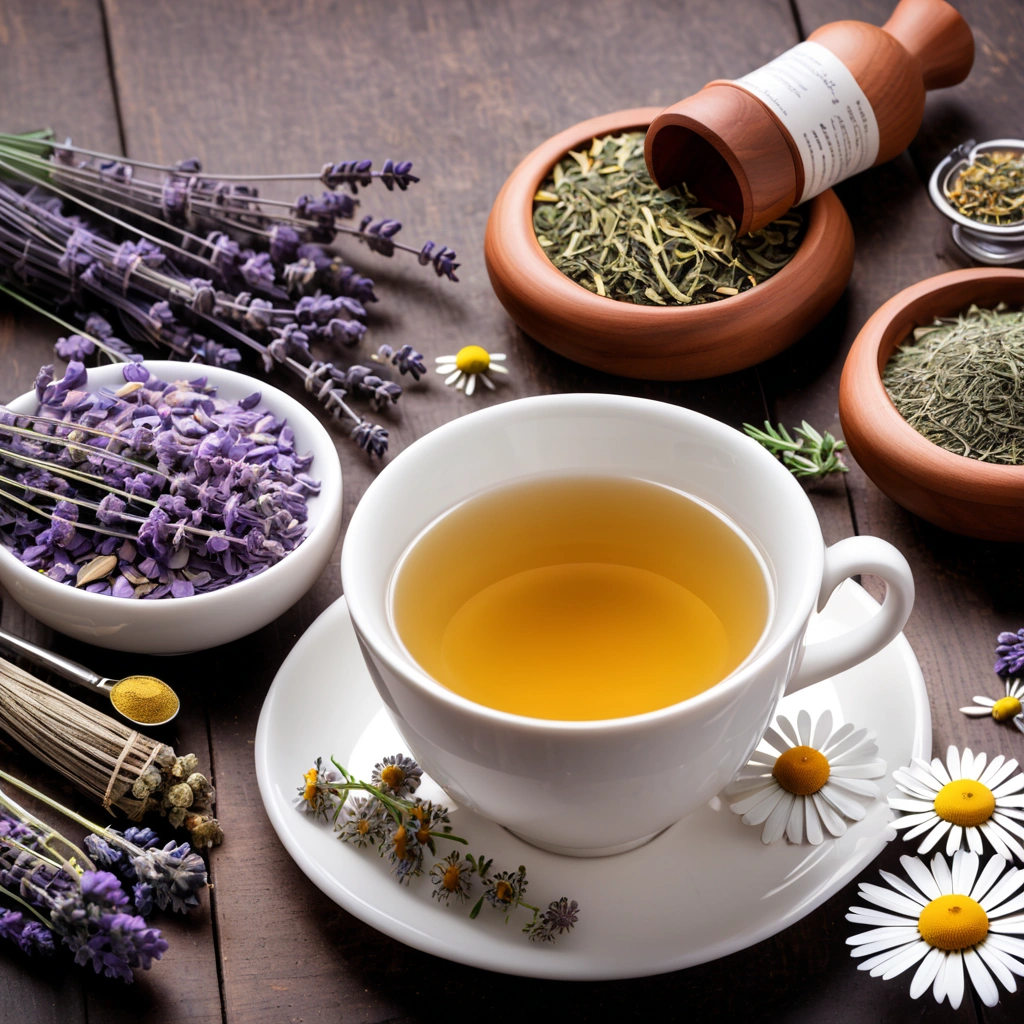
Navigating Calm Waters: Functional Tea Blends for Maritime Professionals
In the demanding world of maritime cadets and trainees, stress and sleep deprivation are unwelcome, yet frequent, companions. Long hours, intense training, and the pressure to perform can take a significant toll on mental and physical well-being. While robust coping mechanisms are crucial, simple, natural solutions can offer invaluable support. Enter functional tea blends – carefully crafted combinations of herbs and botanicals designed to promote relaxation and enhance sleep quality. This comprehensive guide explores the science behind these blends, offering practical advice for incorporating them into a daily wellness routine.
Think of this as your navigational chart to calmer seas and restful nights, a vital tool in your journey towards a healthier, more balanced life at sea and beyond. The unique stressors faced by maritime cadets and trainees, coupled with irregular sleep schedules, highlight the need for accessible stress reduction techniques and natural sleep remedies. Functional tea blends offer a convenient and potentially effective way to address these challenges. For example, tea for stress, particularly blends containing chamomile tea or lavender tea, can help to soothe frazzled nerves and promote a sense of calm.
These teas work by leveraging the inherent properties of herbs known for their anxiolytic and calming effects, providing a gentle nudge towards relaxation without the harsh side effects sometimes associated with pharmaceutical interventions. For OFWs wellness, including maritime professionals, prioritizing mental health is paramount, and these teas can be a proactive step. Beyond stress reduction, functional tea blends can also be powerful allies in the quest for sleep improvement. Many individuals find that incorporating tea for sleep into their nightly routine helps them to unwind and prepare for rest.
Ingredients like valerian root, known for its sedative properties, are often included in these blends to promote deeper and more restful sleep. While the effectiveness of these natural sleep remedies can vary from person to person, the ritual of brewing and savoring a warm cup of tea can itself be a calming and grounding experience, signaling to the body and mind that it is time to transition into sleep mode. Maritime trainees, often far from home, may find this ritual particularly comforting.
Understanding the potential benefits of functional tea blends is just the first step. This guide will delve into the specific ingredients that contribute to their efficacy, explore optimal brewing methods for maximizing their therapeutic potential, and address potential risks and precautions to ensure safe and responsible consumption. Furthermore, we will discuss how these blends can be integrated into a holistic wellness routine, complementing other healthy lifestyle habits such as exercise, mindfulness, and a balanced diet. Even considering resources like PhilHealth for OFWs to support overall well-being is an important aspect of a comprehensive approach to health. By empowering you with knowledge and practical tips, we aim to help you chart a course towards calmer seas and restful nights, both on and off the water.
The Science of Serenity: Key Ingredients and Their Benefits
Chamomile, perhaps the most well-known sleep-promoting herb, contains apigenin, an antioxidant that binds to certain receptors in the brain. This interaction may decrease anxiety and gently initiate sleep, making chamomile tea a classic choice for those seeking natural sleep remedies. Lavender, with its distinctive floral aroma, has been shown to reduce anxiety and improve sleep quality through its calming effects on the nervous system. Studies suggest that inhaling lavender’s scent can slow heart rate and lower blood pressure, promoting a state of relaxation conducive to sleep.
Valerian root, a more potent sedative, increases the amount of GABA (gamma-aminobutyric acid) in the brain, promoting relaxation and reducing anxiety. Unlike some pharmaceutical sleep aids, valerian root is generally considered non-habit forming, making it a viable option for individuals seeking a natural alternative for sleep improvement. Lemon balm, a member of the mint family, has been used for centuries to alleviate stress and improve mood; its calming properties can be particularly beneficial for managing daytime anxiety without causing drowsiness.
Passionflower, another powerful herb, can help reduce anxiety and insomnia by increasing GABA levels; research indicates that passionflower may be as effective as some anti-anxiety medications in reducing symptoms of generalized anxiety disorder. L-theanine, commonly found in green tea, promotes relaxation without drowsiness, making it ideal for daytime stress management; this amino acid can enhance focus and cognitive function while simultaneously reducing feelings of stress and tension. These ingredients, when combined strategically, create synergistic effects that amplify their individual benefits, offering a holistic approach to stress reduction and sleep enhancement.
For maritime cadets and maritime trainees facing the unique stressors of their profession, functional tea blends offer a practical and accessible way to support their well-being. Consider the specific challenges faced by these individuals: long hours, irregular sleep schedules, and high-pressure environments. A tea blend formulated with chamomile, lavender, and L-theanine could be particularly beneficial, promoting relaxation and improving sleep quality without causing daytime drowsiness. Furthermore, the act of preparing and consuming tea can serve as a calming ritual, providing a moment of respite amidst a demanding schedule.
For OFWs (Overseas Filipino Workers) covered by PhilHealth for OFWs, prioritizing wellness is crucial, and incorporating functional tea blends can be a simple yet effective strategy. Tea for stress and tea for sleep can be easily integrated into daily routines, offering a natural and convenient way to manage the challenges of working at sea. Beyond the individual ingredients, the overall composition of functional tea blends plays a crucial role in their effectiveness. The synergy between different herbs and compounds can create a more potent and balanced effect than any single ingredient alone.
For example, combining valerian root with lemon balm may enhance the sedative properties of valerian while mitigating any potential side effects. Similarly, blending chamomile with lavender can create a more nuanced and aromatic tea that is both relaxing and enjoyable to consume. When selecting functional tea blends, it’s important to consider the overall formulation and the intended purpose. Look for blends that are specifically designed to address your individual needs and preferences, whether it’s stress reduction, sleep improvement, or simply promoting a sense of overall well-being. Always consult with a healthcare professional or qualified herbalist before incorporating new herbal remedies into your routine, especially if you have any underlying health conditions or are taking medications. Remember to check the ingredients for potential allergens and to source your tea from reputable suppliers to ensure quality and purity.
Brewing for Bliss: Optimal Preparation Methods
The effectiveness of functional tea blends hinges not only on the ingredients but also on proper brewing techniques, a crucial step often overlooked in the pursuit of stress reduction and sleep improvement. For optimal extraction of beneficial compounds, use filtered water heated to the correct temperature – typically around 200-212°F (93-100°C) for most herbal teas. This temperature range ensures that you’re drawing out the maximum amount of therapeutic properties from herbs like chamomile, lavender, and valerian root, all popular choices in tea for sleep and tea for stress.
Avoid using boiling water directly, as it can scorch delicate herbs and result in a bitter taste, diminishing the overall wellness benefits. Using a thermometer can be particularly helpful, especially when experimenting with different functional tea blends. Steep the tea for the recommended time, usually 5-10 minutes, depending on the blend and desired strength. Covering the cup or teapot during steeping is essential to prevent the evaporation of volatile oils, which contribute significantly to the tea’s aroma and therapeutic properties.
These oils contain compounds that directly impact stress reduction and sleep improvement. For instance, lavender tea’s calming scent is largely due to its volatile oils. Experiment with different steeping times to find the strength and flavor that best suits your preferences; a longer steep will generally result in a stronger, more potent brew, while a shorter steep may offer a more subtle and nuanced flavor profile, ideal for those sensitive to strong herbal tastes. Many maritime cadets and maritime trainees find a longer steep more effective after a long shift.
Consider using a tea infuser or a French press for loose-leaf teas to allow for maximum flavor and nutrient extraction. These methods provide ample space for the tea leaves or herbs to expand and release their beneficial compounds fully. For those constantly on the go, especially OFWs (Overseas Filipino Workers) who want to prioritize OFW wellness, pre-portioning loose-leaf tea into individual infusers can be a convenient way to maintain their natural sleep remedies routine. Remember that the quality of the water also plays a significant role; hard water can interfere with the flavor and extraction process, so filtered water is always recommended.
PhilHealth for OFWs often emphasizes preventative care, and incorporating functional tea blends can be a simple yet effective way to support overall health and well-being. Beyond the basics, consider the material of your teapot or infuser. Glass or ceramic options are generally preferred as they are non-reactive and won’t impart any unwanted flavors to the tea. Avoid plastic infusers, especially when using hot water, as they may leach chemicals into your brew. Pre-warming your teapot or mug with hot water before steeping can also help maintain a consistent temperature and enhance the extraction process. Finally, remember that brewing tea is not just about following instructions; it’s about creating a calming ritual. Focus on the process, savor the aroma, and allow yourself a few moments of mindfulness as you prepare your tea for stress or tea for sleep. This mindful approach further enhances the stress reduction benefits of functional tea blends.
Navigating Potential Risks: Side Effects and Precautions
While generally safe, functional tea blends can present potential side effects, particularly when consumed in excess or in conjunction with certain medications. Understanding these risks is paramount, especially for maritime cadets and trainees whose alertness is critical for safety. Chamomile tea, while celebrated for its calming properties, may trigger allergic reactions in individuals with sensitivities to ragweed or other members of the Asteraceae family. Symptoms can range from mild skin irritation to, in rare cases, more severe allergic responses.
Lavender tea, another popular choice for stress reduction and sleep improvement, can occasionally induce headaches or nausea in sensitive individuals. It’s crucial to monitor your body’s response when introducing any new herbal tea for stress or sleep. Valerian root, often included in tea for sleep due to its sedative effects, warrants particular caution. Its potent sleep-inducing properties can cause drowsiness and impaired cognitive function, making it imperative to avoid valerian root tea before operating machinery, navigating vessels, or engaging in any activity demanding full alertness.
Lemon balm, while generally well-tolerated, may interact with thyroid medications, potentially altering their effectiveness. Passionflower, another ingredient in some functional tea blends, can cause dizziness or confusion in certain individuals. Maritime trainees should be especially vigilant, as even mild cognitive impairment can have serious consequences. These considerations are also highly relevant to OFW wellness, where access to immediate medical care may be limited. To mitigate potential risks, start with small doses of any new functional tea blend and carefully monitor your body’s reaction.
Pay close attention to any changes in alertness, cognitive function, or physical well-being. Before incorporating functional tea blends into your routine, especially if you have pre-existing health conditions or are taking medications, consult with a healthcare professional or qualified herbalist. This is particularly important for maritime cadets and trainees who may have underlying health issues or be taking medications prescribed by maritime medical professionals. Furthermore, resources like PhilHealth for OFWs may offer guidance on accessing healthcare consultations for personalized advice on natural sleep remedies and stress reduction strategies. Always prioritize safety and informed decision-making when exploring natural remedies.
Finding Your Sweet Spot: Dosage and Timing Recommendations
Dosage recommendations for functional tea blends are not one-size-fits-all; they vary significantly depending on the specific blend’s composition, individual sensitivity, and intended use—be it tea for stress or tea for sleep. As a general guideline, particularly for maritime cadets and maritime trainees navigating demanding schedules, start with one cup of tea per day to assess tolerance. Gradually increase the dosage as needed, paying close attention to how your body responds. For stress reduction, a cup of chamomile tea or lavender tea in the afternoon or early evening can be particularly effective, promoting relaxation without causing drowsiness.
Careful self-monitoring is key to finding your optimal intake level, contributing to OFW wellness. PhilHealth for OFWs often highlights preventative wellness measures, and incorporating functional teas responsibly aligns with this proactive approach. Timing is equally crucial, especially when using natural sleep remedies. For sleep improvement, drinking a cup of a blend containing valerian root or lavender tea 30-60 minutes before bedtime allows the calming effects to gently prepare the body for rest. This timing aligns with the body’s natural sleep-wake cycle, maximizing the potential benefits of the tea.
It’s imperative to be mindful of the ingredients; some blends marketed for stress reduction might contain stimulating herbs that, while beneficial during the day, could disrupt sleep if consumed too close to bedtime. Always read the label carefully and consider the intended effect of each ingredient before incorporating it into your routine. Furthermore, it’s vital to be aware of caffeine content, a potential pitfall often overlooked in functional tea blends. While many herbal teas are naturally caffeine-free, some blends incorporate green tea or other caffeinated ingredients for their antioxidant properties or energizing effects. Avoid consuming caffeinated teas close to bedtime to prevent sleep disturbances; opt for caffeine-free alternatives like chamomile or lavender tea in the evening. Consider exploring other natural sleep remedies alongside tea, such as establishing a consistent sleep schedule, creating a relaxing bedtime routine, and optimizing your sleep environment. Remember, functional tea blends are most effective when integrated into a holistic approach to stress reduction and sleep improvement.
Expert Insights: Integrating Tea Blends into a Holistic Wellness Routine
Many herbalists and sleep specialists emphasize the importance of a holistic approach to stress management and sleep improvement, particularly crucial for demanding professions like those faced by maritime cadets and trainees. Functional tea blends should be viewed as a complementary tool, not a replacement for healthy lifestyle habits. Regular exercise, a balanced diet rich in antioxidants and essential nutrients, mindfulness practices such as meditation or deep breathing exercises, and a consistent sleep schedule are all essential components of a comprehensive wellness plan.
These elements work synergistically to enhance the effectiveness of natural sleep remedies, including tea for sleep. Dr. Evelyn Santiago, a renowned herbalist specializing in OFW wellness, notes, “Tea blends can be a wonderful addition to a healthy lifestyle, offering a gentle nudge towards relaxation and better sleep. However, they are most effective when combined with other stress-reducing techniques and a supportive environment.” For maritime trainees, this might involve incorporating short mindfulness breaks during study sessions or engaging in physical activity during shore leave.
The calming effects of chamomile tea or lavender tea, for instance, can be amplified when paired with conscious breathing exercises, fostering a deeper sense of calm. Dr. Benigno Aquino, a sleep specialist consulting with PhilHealth for OFWs, advises, “While functional tea blends containing ingredients like valerian root can help promote relaxation and improve sleep quality, it’s crucial to address underlying sleep disorders and practice good sleep hygiene.” This includes creating a conducive sleep environment, avoiding caffeine and alcohol before bed, and establishing a regular sleep-wake cycle. For maritime professionals, maintaining a consistent sleep schedule can be challenging due to irregular work hours, making natural sleep remedies like tea for stress particularly valuable when used in conjunction with other sleep-promoting strategies. Moreover, integrating resources available through PhilHealth for OFWs can provide access to professional consultations and further support for overall well-being and stress reduction.
Busting Myths: Addressing Common Misconceptions
One common misconception is that all herbal teas are inherently safe and effective. While many herbs boast a rich history of traditional use, the scientific evidence supporting their purported benefits often lags behind anecdotal claims. Another prevalent myth is that ‘stronger is always better.’ In reality, excessive consumption of even seemingly benign herbal teas can lead to adverse effects, disrupting sleep patterns or interacting negatively with medications. It’s crucial to approach functional tea blends with a discerning eye, prioritizing evidence-based information and seeking guidance from qualified healthcare professionals, especially when dealing with pre-existing conditions or medications.
Remember, individual responses to natural sleep remedies and tea for stress can vary significantly; what induces tranquility in one person might have little to no effect on another. For maritime cadets and maritime trainees, and indeed, for all individuals prioritizing OFW wellness, understanding the nuances of functional tea blends is paramount. Consider chamomile tea, often lauded for its calming properties. While generally safe, individuals with ragweed allergies may experience cross-reactivity. Similarly, valerian root, a potent ingredient in tea for sleep, can cause drowsiness, which might be counterproductive during demanding work hours.
According to a 2022 study published in the *Journal of Herbal Medicine*, approximately 5% of individuals experience mild side effects from valerian root, highlighting the importance of moderation and awareness. It’s always advisable to start with a lower dosage to gauge individual tolerance, especially for those seeking stress reduction. Furthermore, it’s a fallacy to believe that functional tea blends are a standalone solution for stress reduction or sleep improvement. They are most effective when integrated into a holistic wellness routine that includes regular exercise, a balanced diet, and mindfulness practices.
For instance, incorporating lavender tea into a nightly ritual alongside practices like deep breathing or meditation can amplify its calming effects. PhilHealth for OFWs often covers consultations with healthcare professionals who can provide personalized advice on incorporating natural remedies like functional tea blends into a comprehensive wellness plan. Ultimately, the key lies in informed consumption, mindful integration, and a recognition that tea blends are a valuable complement to, not a replacement for, healthy lifestyle choices.
Actionable Tips: Making Tea Blends a Part of Your Daily Life
Incorporating functional tea blends into your daily routine can be a simple yet effective way to manage stress and improve sleep quality. Start by identifying your specific needs and preferences. Experiment with different blends and brewing methods to find what works best for you. Create a calming tea ritual by setting aside a few minutes each day to prepare and enjoy your tea in a peaceful environment. Consider pairing your tea with other relaxation techniques, such as deep breathing exercises or meditation.
Remember that consistency is key. Make functional tea blends a regular part of your wellness routine to experience their full benefits. For maritime cadets and trainees, this can mean packing your favorite blends for voyages, creating a small oasis of calm amidst the demands of shipboard life. To truly integrate tea for stress and tea for sleep into your lifestyle, consider building a ‘tea station’ – a dedicated space with your favorite functional tea blends, brewing equipment, and calming accessories like essential oil diffusers or a comfortable cushion.
Explore different combinations of natural sleep remedies, such as chamomile tea, lavender tea, and valerian root, to discover what works best for your individual needs. Some individuals find that a blend of chamomile and lavender before bed promotes relaxation, while others prefer a valerian root tea for its more potent sedative effects. Remember to consult with a healthcare professional or herbalist before using valerian root, especially if you are taking other medications. For maritime cadets and maritime trainees, and even seasoned OFWs, maintaining wellness amidst demanding schedules is paramount.
Leverage resources like PhilHealth for OFWs to access healthcare services that support stress reduction and sleep improvement. Beyond the immediate benefits of tea, think about how it fits into a broader strategy for stress reduction. Functional tea blends can be a powerful tool for managing stress and promoting restful sleep, but they are most effective when combined with other healthy habits. Prioritize regular exercise, a balanced diet, and mindfulness practices to create a holistic approach to well-being.
Consider packing small, reusable tea infusers for easy brewing while at sea, ensuring that your calming ritual remains accessible no matter where your journey takes you. Moreover, be mindful of the timing of your tea consumption. While a cup of chamomile tea or lavender tea an hour before bed can promote relaxation, consuming caffeinated teas like green tea or black tea in the evening can disrupt sleep patterns. Experiment with different blends and brewing times to find the optimal balance for your individual needs. Consider keeping a tea journal to track the effects of different blends on your stress levels and sleep quality. This will allow you to fine-tune your tea routine and maximize its benefits. By making functional tea blends a conscious and consistent part of your daily life, you can unlock their full potential for promoting calmness and improving overall well-being.
Charting a Course for Calm: Embracing the Power of Functional Tea Blends
Functional tea blends offer a natural and accessible avenue for managing stress and improving sleep quality, an especially valuable asset for individuals in demanding professions like maritime training. By understanding the underlying science—how chamomile tea’s apigenin interacts with brain receptors or how lavender tea gently modulates the nervous system—mastering proper brewing techniques to maximize extraction of beneficial compounds, and remaining mindful of potential side effects, such as allergic reactions, you can harness their therapeutic benefits to enhance overall well-being.
These teas aren’t merely beverages; they are carefully crafted tools for wellness. Integrating functional tea blends into a holistic wellness routine amplifies their effectiveness. Think of them as a cornerstone supporting other essential habits. Regular exercise, a balanced diet rich in antioxidants, mindfulness practices like meditation, and a consistent sleep schedule all work synergistically with functional teas to promote stress reduction and sleep improvement. Consider, for example, a maritime cadet using a valerian root blend to ease pre-exam anxiety, complementing it with deep breathing exercises and a digital detox before bed.
This comprehensive approach is far more effective than relying solely on tea. For OFWs (Overseas Filipino Workers) seeking wellness support, resources like PhilHealth for OFWs can provide access to broader healthcare services that complement natural remedies. As you navigate the inherent challenges of a demanding career, let the calming influence of functional tea blends be a steadfast ally, guiding you towards calmer waters and restorative nights. Remember to experiment with different blends, such as combining lavender tea with chamomile tea for sleep, and adjust dosages to find your sweet spot. Embrace tea for stress relief and tea for sleep as proactive strategies, not just reactive measures. When needed, always seek professional guidance from healthcare providers to ensure a well-rounded approach to your wellness journey. The mindful incorporation of functional tea blends, combined with healthy lifestyle choices, empowers you to chart a course for sustained well-being.