Introduction: A Legacy of Precision
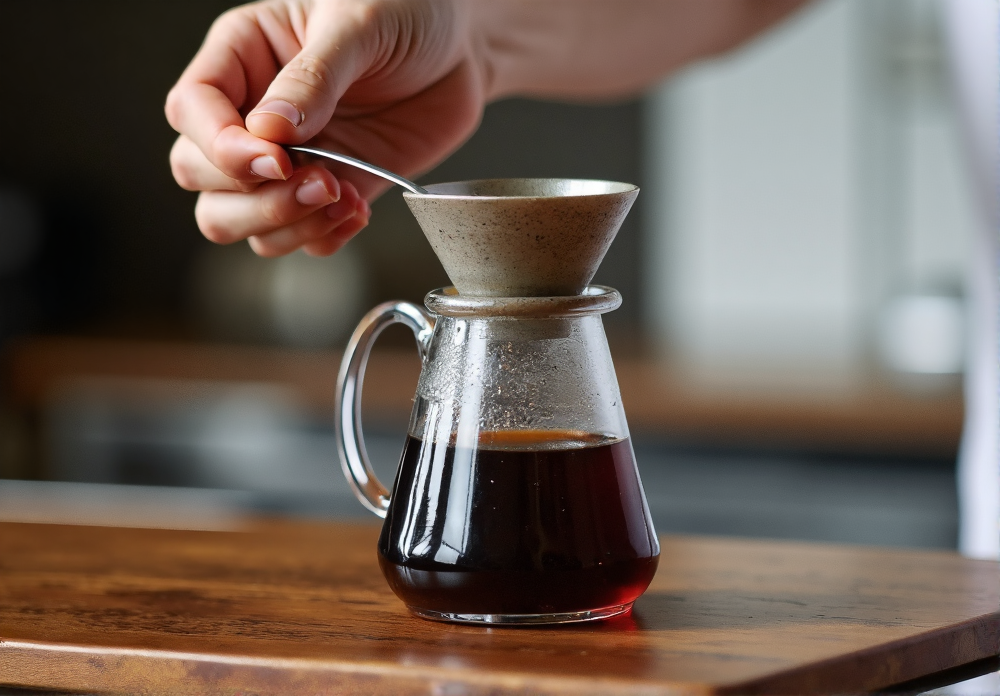
From ancient tea ceremonies to cutting-edge coffee technology, Japan has consistently demonstrated a deep reverence for ritual and precision. This cultural appreciation for meticulous craftsmanship, rooted in centuries of tradition, has profoundly transformed the global coffee landscape. The mindful approach inherent in the Japanese tea ceremony – with its emphasis on precise movements and careful preparation – has found a natural parallel in the world of specialty coffee, influencing both brewing methods and the overall coffee experience.
This influence is particularly evident in the innovative brewing equipment Japan has introduced, elevating coffee preparation to an art form. Japanese design principles, characterized by minimalism, functionality, and a focus on user experience, have led to the creation of iconic devices like the Hario V60 and the Kalita Wave. These tools, celebrated for their elegant simplicity and precise engineering, empower coffee enthusiasts to achieve optimal extraction and unlock the full potential of their beans. Beyond equipment, brewing techniques like the slow, deliberate pour-over method exemplify this commitment to control and precision.
The Japanese dedication to quality extends beyond brewing to encompass every aspect of the coffee process. From the careful selection of green beans to the roasting process itself, attention to detail is paramount. This holistic approach ensures that each cup is a testament to the pursuit of coffee perfection, and is further exemplified by the rise of Japanese cold brew methods. These often employ specialized equipment and meticulous temperature control, resulting in a smooth, concentrated coffee with reduced acidity and enhanced sweetness – a technique now popular worldwide.
Furthermore, Japanese coffee culture uniquely integrates technology with traditional craftsmanship. Manufacturers continue to push the boundaries of coffee brewing technology with innovations like automated pour-over devices and smart grinders offering unparalleled precision. These advancements not only enhance the brewing process but also make specialty coffee more accessible, fostering a deeper appreciation for the art of coffee among a wider audience.
The influence of Japanese culture on the global coffee scene is undeniable. It has inspired a new generation of baristas and coffee enthusiasts to embrace precision, ritual, and the ongoing pursuit of the perfect cup, solidifying Japan’s legacy as a leader in coffee innovation and refinement.
The Hario V60: A Design Icon
The Hario V60, with its iconic cone shape and spiraled ribs, is indeed a testament to Japanese design ingenuity, embodying a philosophy where form and function are inextricably linked. This seemingly simple design is the result of extensive research and iterative improvements, aimed at providing coffee enthusiasts with an unparalleled level of control over the brewing process. The unique structure of the V60 allows for a single, central pour, which encourages water to flow evenly through the coffee grounds, promoting optimal extraction and allowing the subtle nuances of the bean to shine through. The large single hole at the bottom of the dripper allows the coffee to flow freely, minimizing any unwanted resistance and contributing to a cleaner, brighter cup of coffee.
The spiraled ribs that line the inner walls of the V60 are not merely decorative; they serve a crucial purpose in the brewing process.
These ribs create air channels between the filter paper and the dripper, preventing the filter from adhering too tightly and allowing for consistent and even water flow. This design feature is particularly important for achieving a balanced extraction, as it helps to avoid channeling, a common issue in pour-over brewing where water bypasses some of the coffee grounds.
The result is a more consistent and reproducible brew, where the inherent characteristics of the coffee are showcased without unwanted bitterness or acidity. The V60’s thoughtful design is a clear example of how Japanese coffee equipment prioritizes precision and control.
The material of the Hario V60 also plays a significant role in its performance and popularity. Available in glass, ceramic, and metal, each material offers slightly different characteristics that can influence the brewing process. Glass, for instance, is inert and does not impart any flavor to the coffee, allowing the pure taste of the beans to come through. Ceramic versions provide excellent heat retention, helping to maintain a consistent brewing temperature, while metal options are durable and ideal for travel. This range of materials caters to a wide range of preferences and brewing styles, making the V60 a versatile tool for both home baristas and professional coffee makers. The meticulous manufacturing process, a hallmark of Japanese craftsmanship, ensures that each V60, regardless of material, meets the highest standards of quality and durability.
Beyond its technical attributes, the Hario V60 has become a symbol of the modern pour-over movement, representing a shift towards a more mindful and deliberate approach to coffee brewing. Its sleek, minimalist design aligns with Japanese aesthetics, where beauty is found in simplicity and functionality. The V60 has not only become a staple in specialty coffee shops worldwide, but has also inspired countless home brewers to explore the art and science of pour-over coffee. It’s a testament to how Japanese design principles, when applied to coffee brewing technology, can create an experience that is both deeply satisfying and aesthetically pleasing. The V60’s influence on coffee culture is undeniable, solidifying its position as a design icon in the world of Japanese coffee equipment.
The impact of the Hario V60 extends beyond its immediate use, influencing the development of other coffee brewing equipment and techniques. Its emphasis on precision and control has inspired a new generation of coffee enthusiasts and baristas to explore the nuances of specialty coffee. The V60 has also spurred innovation in filter paper design, with many brands creating filters specifically tailored to its unique shape and structure. It’s a prime example of how Japanese coffee culture, with its focus on meticulous detail, has influenced global trends and elevated the coffee brewing process to an art form. The legacy of the Hario V60 is not just in its design, but also in the countless cups of exceptional coffee it has helped to create, a tangible result of thoughtful Japanese design principles applied to coffee brewing.
The Kalita Wave: The Pursuit of Balance
The Kalita Wave distinguishes itself through its flat-bottomed dripper and wave-shaped filter, which diverge from the conical design of the Hario V60. This Japanese-inspired innovation focuses on achieving even extraction by eliminating channeling, a common issue in cone-shaped drippers where water flows unevenly. The flat base ensures a uniform coffee bed depth, allowing water to saturate the grounds consistently and extract a balanced spectrum of flavors. This results in a cup that is both complex and harmonious, free from the bitterness or acidity often caused by over- or under-extraction. The dripper’s three small base holes further enhance control by regulating flow rate, contributing to its reputation for producing a clean, bright, and evenly extracted brew. This meticulous design reflects Japanese aesthetics, where precision and balance are paramount, transforming coffee brewing into a deliberate art form.
Central to the Kalita Wave’s success is its wave-shaped filter paper, which minimizes direct contact between the dripper and the filter. This design promotes even water distribution across the coffee grounds, reducing the risk of over-extraction and preserving the coffee’s nuanced flavors. Unlike standard filters, the wave shape allows water to flow more uniformly, enhancing clarity and brightness in the final cup. This attention to detail ensures that the inherent qualities of the coffee beans are highlighted without distortion. The combination of the flat dripper and specialized filter creates a system that is both technically advanced and intuitively effective, appealing to brewers who value consistency and flavor accuracy.
The Kalita Wave’s user-friendly nature makes it accessible to both novice and experienced brewers. Its predictable brewing process requires less manual intervention than the V60, yet it still offers significant control over variables like water flow and saturation. This forgiving design reduces the learning curve associated with pour-over methods, allowing users to achieve a flavorful cup with minimal adjustments. The system’s reliability is particularly valuable in specialty coffee environments, where consistency is critical. By simplifying complex brewing principles into a manageable format, the Kalita Wave democratizes high-quality coffee preparation while maintaining the precision that enthusiasts demand.
The widespread adoption of the Kalita Wave in specialty coffee shops underscores its effectiveness as a modern brewing tool. Its ability to produce a balanced, flavorful cup has made it a staple in cafes that prioritize showcasing the unique characteristics of different coffee origins. The design’s emphasis on even extraction and clarity aligns with trends in specialty coffee that favor transparency in flavor profiles. As a result, the Kalita Wave has become synonymous with precision brewing, embodying the intersection of Japanese engineering and contemporary coffee culture. Its enduring popularity reflects not only its technical merits but also its ability to elevate the everyday coffee ritual into an experience of intentional craftsmanship.
Siphon Coffee: A Symphony of Science and Style
The siphon brewer, also known as a vacuum pot, stands out as a visually striking device that merges scientific principles with theatrical presentation. Its operation relies on vapor pressure and vacuum dynamics to draw water through coffee grounds, creating a mesmerizing display of bubbling liquid and rising brew. This method transcends mere coffee preparation, transforming the act into a sensory performance that engages both sight and smell.
The result is a full-bodied, aromatic cup that highlights the beans’ intricate flavors through thorough infusion, particularly emphasizing delicate and bright notes prized by specialty coffee enthusiasts. The device’s intricate design, often featuring elegant glass components, further enhances its appeal as a centerpiece for coffee rituals. While its complexity may daunt beginners, this challenge is part of its allure, elevating brewing from a mundane task to an art form requiring precision and mindfulness.
Central to the siphon method is its ritualistic nature, demanding meticulous attention to detail and technical skill. Baristas who master this technique often describe it as a deeply rewarding practice, fostering a unique connection between the brewer, the coffee, and the process itself. The setup involves multiple steps—boiling water, precise timing, and controlled pressure management—that transform coffee making into a meditative experience.
This level of engagement not only produces superior flavor but also cultivates a sense of craftsmanship. The use of a cloth filter in many siphon brewers adds to this precision, ensuring a clean cup free of sediment while preserving the coffee’s body and clarity. For those willing to invest time in learning, the siphon method offers a rewarding blend of science and artistry that few other brewing techniques can match.
The siphon brewer’s cultural significance, particularly in Japan, underscores its reputation as a symbol of craftsmanship and perfection. Rooted in Japanese coffee culture, it reflects a broader appreciation for ritual and meticulous execution, values also seen in other Japanese brewing traditions. This method’s enduring popularity in Japan highlights its role as more than just a tool—it is an embodiment of aesthetic and technical excellence. The theatrical elements of the brewing process, with its dramatic vapor release and visual movement, make it a compelling choice for demonstrations and events. Here, the siphon brewer serves as both a functional device and a captivating showcase of coffee brewing technology, drawing attention through its blend of innovation and beauty.
Despite its niche status compared to more common methods like pour-over, the siphon brewer maintains a dedicated following among those who value its unique approach. Its ability to deliver a clean, nuanced cup with exceptional clarity appeals to precision brewing aficionados. While the learning curve may be steep, the rewards—both in flavor and sensory experience—make it a worthwhile pursuit. The device’s design, combining functionality with visual elegance, ensures it remains a striking addition to any coffee setup. The siphon method represents a harmonious fusion of scientific ingenuity and artistic presentation, appealing to those who appreciate the intersection of form and function in coffee preparation.
The Ritual of Brewing: A Cultural Perspective
Japanese coffee culture elevates the act of brewing to a mindful ritual, deeply rooted in the principles of precision and respect. This is evident in every step, from the meticulous selection of beans to the careful control of water temperature and pouring technique. Unlike a rushed, utilitarian approach to coffee preparation, the Japanese method encourages a focused engagement with the process, transforming a simple task into an exercise in mindfulness and sensory appreciation. The emphasis on exact measurements, consistent grind size, and slow, deliberate pouring reflects a broader cultural appreciation for craftsmanship and attention to detail, traits that are also hallmarks of Japanese design and manufacturing.
This focus on precision is not merely about achieving a specific flavor profile; it is about engaging with the process itself, finding a sense of calm and satisfaction in the methodical preparation. The influence of traditional Japanese practices, such as the tea ceremony, is palpable in the way coffee brewing is approached, with a focus on ritual and intentionality. This mindful approach extends to the tools used, as the design of Japanese coffee equipment, such as the Hario V60 and Kalita Wave, reflects this commitment to precision and functionality. These tools are not merely functional objects; they are instruments that facilitate a deeper connection with the brewing process, allowing the user to fine-tune each variable and achieve consistent results.
The popularity of pour-over methods in Japanese coffee culture highlights the emphasis on control and customization, allowing the barista to bring out the unique characteristics of each bean. Beyond pour-over, the siphon coffee brewer exemplifies the fusion of scientific precision and aesthetic appeal. Its visually captivating process, combined with the full-bodied coffee it produces, underscores the Japanese appreciation for both form and function. Even seemingly simple techniques, such as cold brew, are approached with a meticulousness that goes beyond mere convenience, focusing on the nuanced flavor extraction achieved through slow infusion.
This dedication to precision has not only refined coffee brewing techniques but has also inspired a deeper understanding of the relationship between the brewer, the equipment, and the coffee itself. The Japanese coffee culture’s dedication to precision and ritual has significantly influenced global coffee trends, inspiring a new generation of coffee enthusiasts and baristas to approach coffee brewing with a more mindful and intentional approach.
A Global Influence: From Japan to the World
Japanese innovations have undeniably reshaped global coffee culture, moving beyond simple caffeine delivery to an appreciation of nuanced flavor and ritual. The widespread adoption of pour-over methods, spearheaded by iconic Japanese coffee equipment like the Hario V60 and Kalita Wave, is a testament to this influence. These devices, once niche, are now staples in both home brewing and professional barista settings worldwide, reflecting a broader shift towards precision brewing techniques and a deeper understanding of extraction variables. The Hario V60, with its spiral rib design and single large hole, has become synonymous with clarity and control, while the Kalita Wave, with its flat-bottomed design and wave filter, is celebrated for its consistent and balanced brews. These designs, beyond their functionality, embody the Japanese design ethos of form following function, with an emphasis on both performance and aesthetic beauty.
Furthermore, the influence extends beyond pour-over methods to other brewing techniques, most notably the resurgence of siphon coffee. Once considered a relic of the past, the siphon brewer has experienced a revival, driven by the theatrical and scientific elements it brings to coffee preparation. The visual spectacle of the vacuum brewing process, combined with the full-bodied and aromatic coffee it produces, has captured the imagination of coffee enthusiasts globally. This renewed interest has led to the development of new siphon designs and techniques, pushing the boundaries of coffee brewing technology. The adoption of these methods signals a broader cultural shift towards valuing the process of coffee preparation as much as the end product.
This ritualistic approach, deeply rooted in Japanese coffee culture, is now being embraced by coffee lovers worldwide, who appreciate the mindfulness and attention to detail it demands.
The impact of Japanese coffee culture is also evident in the increased emphasis on meticulous preparation and the pursuit of perfection. Baristas and home brewers are now more focused on variables such as grind size, water temperature, and pour rate, all inspired by the Japanese commitment to precision.
Here’s the thing: this dedication to detail has elevated the craft of coffee brewing, transforming it from a routine task into an art form. The focus on understanding the nuances of each bean and the subtle variations in brewing techniques has led to a more sophisticated and informed global coffee community. The rise of specialty coffee, with its emphasis on quality and traceability, has also been significantly influenced by the Japanese approach to coffee, which values both the bean and the brewer’s skill. The Japanese approach to coffee has also popularized other methods like the cold brew, which is now ubiquitous in coffee shops globally.
Beyond specific equipment, the philosophical underpinnings of Japanese coffee culture have also had a profound effect. The emphasis on mindfulness, precision, and the pursuit of quality has resonated with coffee professionals and enthusiasts alike. The Japanese approach to craftsmanship, where each step is executed with intention and care, has become a guiding principle for many in the coffee industry.
This has led to a greater appreciation for the entire coffee journey, from bean to cup, and a deeper understanding of the interconnectedness of all the elements involved. The result is a global coffee culture that is more nuanced, informed, and appreciative of the complexities of coffee. The impact is such that Japanese coffee culture is now a global standard for high quality and dedication to the craft.
The ripple effects of Japanese coffee innovations are also seen in the proliferation of coffee education and training programs globally. Barista schools and workshops increasingly incorporate Japanese techniques and equipment into their curriculum, further solidifying the influence of Japanese coffee culture. These training programs not only teach technical skills but also instill the values of precision, attention to detail, and a respect for the coffee bean.
This is creating a new generation of coffee professionals who are passionate about the art of coffee brewing and dedicated to upholding the high standards set by Japanese coffee culture. The journey of Japanese coffee innovation is far from over, it continues to inspire and shape the global coffee landscape.
The Future of Precision: Continued Innovation
The future of Japanese coffee equipment lies at the intersection of tradition and technological advancement, driven by a commitment to precision and enhanced brewing experiences. Rooted in a legacy of craftsmanship and deep cultural appreciation for coffee, Japanese innovators are redefining brewing technology through sustainability, automation, and user-centric design. This evolution aims to create tools that balance meticulous artistry with modern convenience, catering to both professional baristas and home enthusiasts.
For instance, devices like the Hario V60 with automated temperature control or the Kalita Wave utilizing eco-friendly materials exemplify this synergy. These innovations reflect Japan’s philosophy of continuous improvement, ensuring that brewing remains a refined ritual while embracing cutting-edge advancements. The focus extends beyond functionality to elevate the sensory and aesthetic aspects of coffee preparation.
Sustainability is a cornerstone of future developments in Japanese coffee equipment, aligning with the nation’s cultural emphasis on environmental stewardship. Manufacturers are increasingly adopting materials such as bamboo, recycled plastics, and bio-resins to reduce ecological footprints. This shift not only minimizes waste but also integrates reusable and biodegradable filter options, further lowering the environmental impact of brewing. By prioritizing sustainable practices, Japanese companies ensure that coffee enjoyment remains viable for future generations without compromising planetary health. This approach underscores a broader commitment to harmonizing technological progress with ecological responsibility, reinforcing the cultural value of respecting nature.
Automation and smart technology are transforming brewing processes, offering precision and consistency through advanced systems. Smart coffee makers now allow users to control variables like temperature, water flow, and brewing time with minimal effort, eliminating guesswork while maintaining ritualistic elements. Imagine a siphon brewer with automated vacuum control or a pour-over device with real-time adjustments—these innovations streamline preparation without diminishing the sensory engagement of coffee. The design of such equipment also emphasizes ergonomics and intuitive interfaces, ensuring that technology enhances rather than complicates the user experience. This balance between automation and tradition highlights Japan’s ability to merge practicality with the artistry of coffee brewing.
But japanese design principles, characterized by minimalism and functionality, will continue to influence the aesthetics of future coffee equipment. Expect sleek, modern forms that blend seamlessly into contemporary kitchens and cafes, prioritizing both visual appeal and practicality. The focus on simplicity and balance, evident in iconic designs like the Hario V60 or Kalita Wave, elevates coffee brewing into an art form. These designs reflect a cultural appreciation for beauty in simplicity, ensuring that tools are as visually harmonious as they are effective. By merging form and function, Japanese aesthetics will further refine the coffee ritual, making it a sensory experience that transcends mere utility.
The global influence of Japanese coffee culture is poised to expand, inspiring new generations of baristas and enthusiasts worldwide. The emphasis on precision, ritual, and meticulous preparation has already fostered a deeper appreciation for specialty coffee. As Japanese brewing methods and equipment become more accessible, this cross-cultural exchange will refine global coffee practices, leading to innovative techniques and heightened standards. This growing influence ensures that the pursuit of the perfect cup remains a dynamic, evolving journey, uniting traditions with modern advancements to captivate coffee lovers across the world.