A Realm of Rare Teas
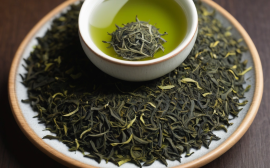
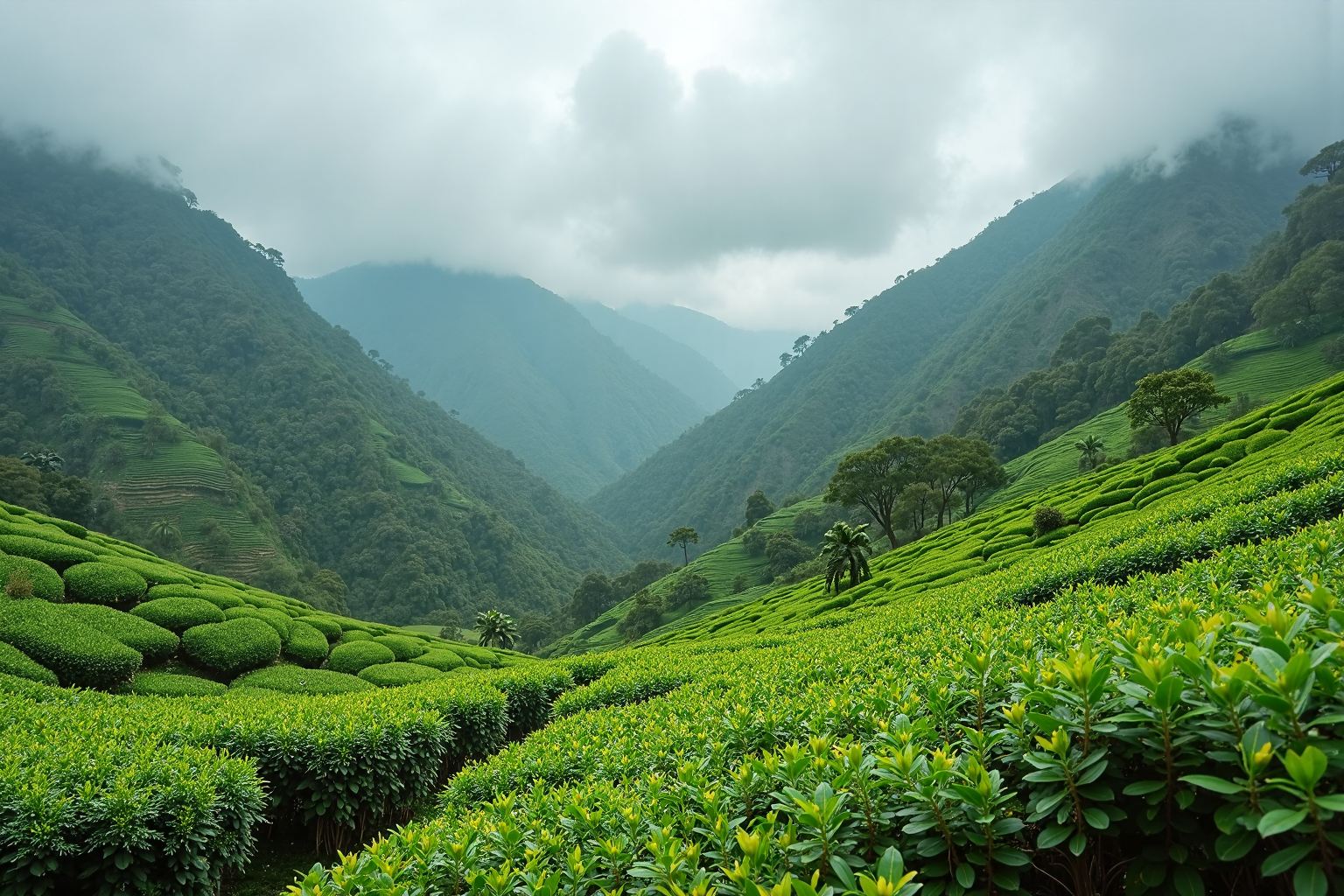
Taiwan’s high mountain regions, often shrouded in mist and warmed by the sun, cradle a secret: some of the world’s rarest and most exquisite teas. These teas, cultivated with generations of knowledge and nurtured by the unique microclimates of Taiwan’s towering peaks, offer a taste of unparalleled complexity and depth, a liquid gold unlike any other. The high mountain environment, typically above 1,000 meters, contributes significantly to the tea’s exceptional character. Factors such as dramatic temperature variations between day and night, abundant rainfall, and mineral-rich soils derived from Taiwan’s unique geology, all converge to create a terroir unlike any other, shaping the leaves and imbuing them with distinctive flavors.
Join us as we ascend the misty slopes to explore the captivating world of Taiwanese high mountain tea, delving into the nuances of rare cultivars like Da Yu Ling, known for its delicate floral aroma, and Jin Xuan, celebrated for its creamy, buttery notes. We will uncover the secrets behind their cultivation, processing, and preservation, revealing why these teas are so highly prized by connoisseurs worldwide. The preservation of these rare tea cultivars, such as the Alishan High Mountain oolong and the Lishan cultivar, is a critical concern for both tea farmers and conservationists. Challenges such as habitat loss due to changing agricultural practices, the impact of climate change on delicate mountain ecosystems, and the economic pressures of cultivating less commercially viable but more unique tea varieties necessitate innovative preservation strategies. These strategies include seed banks to maintain genetic diversity, sustainable farming practices that prioritize ecological balance, and educational initiatives to raise awareness about the importance of these rare teas. Understanding the unique interplay of cultivar, terroir, and meticulous processing methods is crucial to fully appreciating the artistry and dedication behind each precious cup. From the careful plucking of tender leaves to the precise control of oxidation and firing during processing, every step influences the final flavor profile. The journey of Taiwanese high mountain tea, from the mountain slopes to the delicate porcelain cup, is a testament to the harmonious relationship between nature and human craftsmanship. By exploring this journey, we gain a deeper appreciation for the legacy held within each cup and the importance of preserving these extraordinary teas for generations to come. This exploration will also touch upon the art of brewing these high mountain teas, offering insights into water temperature, steeping times, and the selection of appropriate teaware to unlock the full spectrum of flavors. Whether you are a seasoned tea aficionado or a curious newcomer, the world of Taiwanese high mountain tea promises a sensory adventure, an invitation to savor the essence of a land steeped in tradition and nurtured by nature.
Taiwan's High Mountain Terroir: A Crucible of Unique Flavors
Taiwan’s high mountain terroir stands as a natural crucible, shaping some of the world’s most distinctive tea cultivars. Nestled in elevations exceeding 2,000 meters, these mist-shrouded regions combine mineral-rich soil, crisp alpine air, and dramatic temperature fluctuations to cultivate teas of unparalleled depth. The geological formations that give rise to this soil infuse the leaves with a subtle minerality, while the pristine, pollution-free atmosphere allows delicate floral and aromatic nuances to flourish. Most critically, the extreme diurnal shifts—where temperatures plummet at night only to warm under abundant sunlight—accelerate the tea plant’s metabolic processes, enhancing complexity and richness in each leaf. Together, these environmental factors forge teas that transcend mere beverage status, becoming true expressions of their rugged highland origins.
Among the most celebrated of these high-altitude teas is Da Yu Ling, a cultivar prized for its ethereal floral profile and silken texture. Hailing from Nantou County’s towering peaks, this tea is renowned for its delicate orchid and honey notes, a result of its extreme elevation and the slow, deliberate growth it experiences. The combination of cold nights and warm days during the growing season refines its flavor, producing a cup that is both elegant and deeply aromatic. Similarly, Jin Xuan, or Milk Oolong, thrives at slightly lower elevations and is distinguished by its naturally creamy, buttery character—a trait amplified by the unique microclimate and genetic traits of the cultivar. These teas exemplify how Taiwan’s high mountain terroir can produce not just exceptional quality, but entirely distinct flavor profiles that set them apart in the world of tea.
Beyond Da Yu Ling and Jin Xuan, other highland cultivars like Shan Lin Xi and Ali Shan further demonstrate the diversity of Taiwan’s tea landscape. Each reflects the specific altitude, soil composition, and climatic conditions of its region, contributing to a tapestry of flavors that range from delicate and floral to robust and mineral-driven. The interplay of these variables ensures that no two high mountain teas are identical, making each harvest a unique reflection of nature’s artistry. Yet, the rarity of these cultivars—both in terms of their cultivation challenges and the specialized knowledge required—has spurred urgent efforts to preserve them for future generations.
Conservation of Taiwan’s high mountain tea biodiversity is a collaborative endeavor between researchers, farmers, and cultural stewards. Initiatives focus on documenting rare varietals, reviving traditional farming techniques, and adopting sustainable practices to safeguard these ecosystems. Beyond preserving a beloved beverage, these efforts protect a vital cultural heritage and the livelihoods of the communities that have tended these teas for generations. By maintaining the delicate balance between tradition and innovation, Taiwan ensures that its high mountain teas remain a living testament to the land’s extraordinary terroir.
The cultivation of Taiwan’s high mountain teas is a meticulous process, where every detail—from soil preparation to harvest timing—plays a pivotal role in shaping the final product. Farmers employ deep knowledge of their terroir, carefully monitoring conditions to optimize growth and flavor development. The result is not merely a cup of tea, but a harmonious blend of human craftsmanship and natural forces. In each sip, one can trace the journey from the mineral-rich slopes to the hands of the artisan, culminating in a beverage that embodies the essence of Taiwan’s highland landscapes. Explore the rare mountain cultivars that define this unique tea landscape.
Cultivating Excellence: The Art of High Mountain Tea Farming
Cultivating high mountain tea in Taiwan represents a harmonious blend of artistry and expertise, where human intervention respects and enhances the natural environment. These rare tea cultivars are celebrated for their intricate flavors and delicate aromas, demanding precise care and an intimate understanding of the mountainous terrain. The foundation of successful cultivation lies in the soil, which must strike a delicate balance of minerals and organic matter. Farmers enrich the earth through natural decomposition and careful tending, ensuring it remains fertile and capable of nurturing the tea plants. In these high-altitude regions, the soil—often composed of weathered shale and sandstone—provides exceptional drainage while infusing the tea with distinct mineral notes that elevate its character.
Sunlight and climate play equally critical roles in shaping the tea’s development, with the high mountain environment offering unique advantages. While ample sunlight is essential for photosynthesis and flavor complexity, the frequent mists that envelop these peaks act as a natural shield, diffusing the sun’s intensity and protecting the tender leaves. This interplay of light and moisture contributes to the tea’s signature sweetness. Equally influential are the dramatic temperature fluctuations between day and night, often exceeding 10 degrees Celsius, which slow the tea plants’ growth. This deliberate slowness allows the plants to accumulate more nutrients, resulting in a richer, more concentrated flavor profile that defines high mountain teas.
The meticulous care extended to these tea plants extends beyond environmental factors to include sustainable farming practices that preserve both the land and the tea’s purity. Terracing the steep slopes—a time-honored technique passed down through generations—prevents soil erosion and optimizes land use, reflecting the deep bond between farmers and their environment. Pest and disease management rely on natural methods to maintain ecological balance, while organic fertilizers and minimal intervention safeguard the fragile ecosystem. These practices ensure the long-term viability of the tea cultivars, allowing them to thrive while adapting to future climatic challenges.
The dedication to sustainability also emphasizes the preservation of genetic diversity within tea populations, a safeguard against disease and environmental shifts. By maintaining this diversity, farmers protect the integrity of these exceptional teas, ensuring they remain a cherished part of Taiwan’s cultural heritage. The result is not only a product of unparalleled quality but also a testament to the enduring legacy of high mountain tea farming—a tradition that continues to evolve while honoring its roots.
Notable examples, such as the famed Da Yu Ling oolong and Jin Xuan cultivar, exemplify the transformative power of high mountain terroir. Grown at elevations exceeding 2,000 meters, Da Yu Ling is renowned for its delicate floral aroma and smooth finish, while Jin Xuan—known as Milk Oolong—develops its creamy, buttery notes through the precise interplay of soil, sunlight, and temperature variations. These teas embody the culmination of centuries of expertise, where every detail, from altitude to cultivation method, contributes to their exceptional character. Explore more about these rare high-mountain cultivars.
From Harvest to Cup: The Journey of Taiwanese High Mountain Tea
The journey of Taiwanese high mountain tea, from the initial pluck of tender leaves to the final fragrant cup, is a testament to the harmonious blend of time-honored tradition and innovative techniques. This meticulous process, deeply rooted in Taiwanese tea culture, begins with careful harvesting, often performed by skilled artisans who understand the nuances of each rare tea cultivar, such as the prized Da Yu Ling or the subtly sweet Jin Xuan. high-altitude tea treasures thrive in Taiwan’s unique mountainous regions, where altitude and microclimate play pivotal roles in their development. The terrain of Taiwan’s high mountain tea regions often necessitates specialized harvesting methods, adapting to the steep slopes and unique growth habits of these exceptional plants. The timing of the harvest is also crucial, influenced by the microclimate and the desired characteristics of the final tea.
For instance, spring-harvested Da Yu Ling from specific high-altitude gardens is known for its exceptional floral aroma, a direct result of the cool, misty conditions and the precise timing of the harvest. Following harvest, the leaves embark on a transformative journey through a series of carefully orchestrated steps.
The Influence of Microclimates: A Symphony of Flavors
The microclimates of Taiwan’s high mountain regions serve as the invisible conductors shaping the extraordinary diversity of its rare tea cultivars. Even within the same cultivar, subtle shifts in temperature, humidity, and sunlight—often occurring over short distances—can transform a tea’s flavor profile. For example, a Da Yu Ling tea cultivated on a north-facing slope, receiving less direct sunlight, may develop a delicate, ethereal floral aroma, while its counterpart on a south-facing slope, bathed in warmth, could exhibit a bolder, more robust character. These microclimatic variations create a complexity that captivates tea connoisseurs and elevates Taiwanese high mountain tea to a league of its own.
Diurnal temperature fluctuations, a defining feature of high-altitude environments, play a pivotal role in the tea’s development. The stark contrast between daytime warmth and nighttime coolness slows the tea plant’s growth, allowing flavor compounds to concentrate within the leaves. This deliberate, measured growth process is fundamental to the tea’s exceptional quality. Additionally, the frequent mists enveloping these mountains contribute to higher humidity, further influencing the leaves’ texture and chemical composition. Together, these environmental factors foster the development of intricate aromatic profiles that are distinctly tied to Taiwan’s high mountain microclimates, making each cup a reflection of its precise origin.
The influence of microclimates extends beyond temperature and sunlight, encompassing soil composition and regional nuances. For instance, the Jin Xuan cultivar, renowned for its creamy, buttery notes, can vary significantly depending on its growing conditions—shadier areas may yield a softer, more delicate profile, while sunnier spots could produce a richer, more robust flavor. The mineral content of the soil, which differs across regions, also shapes the tea’s taste, contributing to the intricate tapestry of flavors unique to each high mountain area. This interplay of environmental factors underscores the concept of *terroir*, where the essence of a place becomes an integral part of the tea itself.
That said, preserving these delicate microclimates is essential not only for the survival of Taiwan’s rare tea cultivars but also for the ecosystems that sustain them. Climate change threatens the balance that nurtures these teas, making sustainable farming practices—such as avoiding deforestation and minimizing chemical inputs—critical to their long-term viability. By protecting these environments, we ensure that the symphony of flavors rooted in Taiwan’s high mountain regions continues to thrive, honoring the delicate harmony between nature and cultivation.
Appreciating the profound impact of microclimates deepens our understanding of Taiwanese high mountain tea as both an art and a science. The meticulous farming practices, combined with the unique environmental factors, craft the distinct flavors and aromas that define these teas. Recognizing this connection underscores the importance of environmental conservation in safeguarding the future of these rare cultivars, making the pursuit of authentic Taiwanese high mountain tea a celebration of both tradition and nature’s intricate balance.
Voices from the Mountains: Insights from Tea Farmers
The high mountain environment imparts a unique energy to the tea, explains tea farmer Mr. Lin. It’s a combination of the pure air, the mineral-rich soil, and the spirit of the mountain itself. This sentiment is echoed by generations of tea farmers in Taiwan, who see themselves as stewards of the land, working in harmony with nature to coax the best flavors from their rare tea cultivars. The influence of the microclimate, with its daily cycle of mist and sun, is not just a scientific phenomenon but a vital element in the tea’s soul.
For instance, farmers often speak of how the morning mists, which envelop the tea gardens, protect the tender leaves from harsh sunlight, leading to a sweeter, more nuanced flavor profile in the final brew. This intimate understanding of their land and its unique characteristics is what sets Taiwanese high mountain tea apart.
Another perspective comes from Ms. Chen, a third-generation tea farmer specializing in the cultivation of Da Yu Ling tea. She emphasizes the importance of traditional tea farming methods, which have been passed down through her family. These methods, she explains, are not merely about maximizing yield, but about nurturing the soil and the tea plants in a way that respects the delicate balance of the ecosystem.
She speaks of the soil as a living entity, teeming with beneficial microbes that contribute to the unique characteristics of the tea. The farmers’ connection to the land goes beyond economic considerations; it is a deep-seated cultural relationship that informs every step of the tea-making process. The careful selection of the harvesting time, for example, is often dictated by an intuitive understanding of the plant’s rhythms, a skill honed over years of experience. This is why some Taiwanese high mountain tea, particularly rare tea cultivars, are considered to be among the finest in the world.
Furthermore, the farmers’ deep knowledge of tea processing techniques is crucial to unlocking the full potential of each tea leaf. Mr. Wang, a tea master known for his expertise in Jin Xuan tea, explains how the subtle nuances of withering, rolling, oxidation, and firing can dramatically alter the tea’s final flavor. He speaks of the art of tea processing as a continuous learning experience, where each batch of tea presents unique challenges and opportunities. He emphasizes that even within the same cultivar, variations in weather conditions and leaf maturity can necessitate adjustments to the processing methods. This constant adaptation and attention to detail are what contribute to the exceptional quality of Taiwan tea. The farmers’ intimate involvement in every stage of production is what truly distinguishes Taiwanese high mountain tea from mass-produced alternatives.
The dedication of Taiwanese tea farmers extends to the crucial aspect of tea preservation. Many of these farmers are deeply concerned about the future of rare tea cultivars, recognizing the threats posed by climate change and habitat loss. They actively participate in conservation efforts, working with researchers and organizations to protect these endangered treasures. The farmers understand that preserving the genetic diversity of tea plants is not just about maintaining a valuable resource, but about safeguarding a cultural heritage. They often employ traditional propagation techniques to ensure the survival of these unique cultivars, acting as both farmers and guardians of these precious plants. The future of Taiwanese high mountain tea depends on the commitment and dedication of these unsung heroes. The efforts of these farmers, combined with the unique terroir and meticulous processing methods, ensure that each cup of Taiwanese high mountain tea tells a story of tradition, dedication, and the spirit of the mountains.
Guardians of Tradition: Preserving Endangered Tea Cultivars
The preservation of rare tea cultivars is a pressing concern within the realm of Taiwanese high mountain tea. These unique varieties, often products of centuries of careful cultivation and adaptation to specific microclimates, face a multitude of threats. Habitat loss due to deforestation and agricultural expansion is a significant factor, as land is converted for other purposes, diminishing the space where these specialized tea plants can thrive. Climate change also presents a formidable challenge, with shifting weather patterns, increased temperatures, and altered rainfall impacting the delicate balance of the high mountain ecosystems that these rare tea cultivars depend upon. The lure of more commercially viable crops, which may offer higher yields or require less intensive labor, further endangers these unique tea varieties, as farmers may be tempted to replace them with more profitable alternatives, leading to a loss of genetic diversity and traditional knowledge.
Conservationists and tea farmers are working diligently to combat these challenges. One key strategy is the establishment of protected areas and tea gardens specifically dedicated to the preservation of endangered tea cultivars. These areas serve as sanctuaries, safeguarding the genetic material and allowing these rare tea plants to continue to flourish. Another important approach involves the promotion of sustainable tea farming practices. This includes techniques such as organic farming, which minimizes the use of harmful chemicals and promotes soil health, and agroforestry, which integrates trees into the tea-growing landscape to provide shade and support biodiversity. These methods not only help to protect the environment but also enhance the quality and unique characteristics of the tea.
Furthermore, initiatives are underway to educate consumers about the importance of supporting tea farms that are committed to preserving rare tea cultivars. By increasing demand for these unique teas, consumers can play a role in incentivizing farmers to continue cultivating them, ensuring their survival for future generations. The preservation of these endangered cultivars is not merely about safeguarding a plant; it is about preserving the rich cultural heritage and unique flavors that are integral to the identity of Taiwanese high mountain tea. The work to preserve these teas is ongoing and requires a multi-faceted approach. It involves not only scientific research and conservation efforts but also the active participation of tea farmers, consumers, and policymakers. The future of these rare tea cultivars, and the unique flavors they represent, depends on our collective commitment to their preservation. Through these combined efforts, we can ensure that the rich legacy of Taiwanese high mountain tea continues to thrive.
Savoring the Experience: Sourcing and Brewing High Mountain Teas
Embarking on a journey to discover the world of Taiwanese high mountain teas begins with understanding how to source these rare gems. Authenticity is paramount, and reputable tea vendors specializing in Taiwanese teas are your best starting point. Look for vendors who provide detailed information about the tea’s origin, cultivar, elevation, and processing methods. Transparency is key, and reputable vendors will often share details about the tea farm and its practices. For example, vendors specializing in Da Yu Ling or Jin Xuan teas might highlight the specific mountain slopes where the tea was grown and the farmer’s unique cultivation techniques. This level of detail ensures you’re getting a genuine high mountain tea experience.
Direct trade relationships with Taiwanese tea farms, though sometimes more challenging to establish, offer unparalleled access to exceptional teas and provide direct support to the farmers who dedicate their lives to cultivating these treasures. Exploring online tea communities and forums can also connect you with experienced tea enthusiasts and vendors who can provide valuable insights and recommendations. Once you’ve sourced your prized Taiwanese high mountain tea, the next step is unlocking its full potential through proper brewing. Water quality plays a crucial role; filtered or spring water, free of impurities, is essential for allowing the delicate flavors of the tea to shine.
Water temperature is equally important, and varies depending on the specific tea. For delicate high mountain oolongs like Da Yu Ling, a lower temperature, around 85-90°C (185-195°F), is recommended to avoid scorching the leaves and preserve their nuanced floral notes. For more robust cultivars like Jin Xuan, a slightly higher temperature, around 90-95°C (195-205°F), can help bring out their creamy, buttery characteristics. Steeping time is another critical factor, and experimentation is encouraged. Start with shorter steeping times, around 30-60 seconds, and gradually increase the duration with subsequent infusions to explore the evolving flavor profile of the tea.
The choice of teaware also enhances the tasting experience. A smaller gaiwan or Yixing teapot is ideal for high mountain teas, allowing for better control over the brewing process and concentrating the delicate aromas. Finally, consider the preservation of your tea. Storing Taiwanese high mountain teas in airtight containers, away from light, heat, and moisture, is crucial for maintaining their freshness and preventing oxidation. Proper storage ensures that each cup reflects the unique terroir and meticulous craftsmanship that goes into producing these exceptional teas. Understanding these nuances, from sourcing and brewing to proper storage, allows you to fully appreciate the exquisite flavors and cultural heritage embedded within each cup of Taiwanese high mountain tea.
A Legacy in Every Cup
Taiwanese high mountain teas offer a journey for the senses, a taste of a land steeped in tradition and nurtured by nature. More than just a beverage, these teas embody the spirit of Taiwan’s misty peaks, where unique microclimates and meticulous farming practices converge to create some of the world’s most sought-after brews. By understanding the intricate interplay of cultivar, terroir, and processing methods, we can truly appreciate the artistry and dedication behind each precious cup. The rarity of these teas is underscored by the challenging high-altitude environment in which they are grown. Taiwan’s high mountain terrain, often above 1,000 meters, presents unique challenges for tea farmers. The steep slopes, unpredictable weather, and delicate ecosystems demand a deep respect for nature and a commitment to sustainable practices. This dedication to preserving the delicate balance of the mountain ecosystem is reflected in the exceptional quality and limited production of these teas.
For example, the famed Da Yu Ling, grown in the Nantou County mountains, is known for its delicate floral aroma and subtly sweet flavor, a direct result of the cool, misty climate and mineral-rich soil. Similarly, the Jin Xuan cultivar, often cultivated in the Alishan range, develops its characteristic creamy, buttery notes due to the unique combination of high altitude and specific soil composition. The journey from leaf to cup is a testament to the generations of knowledge passed down through Taiwanese tea families.
The meticulous plucking of young leaves, often just the top two leaves and a bud, is a labor of love, ensuring only the highest quality leaves are selected. The subsequent withering, rolling, oxidation, and firing processes are carefully orchestrated to unlock the unique flavor profile of each cultivar. For instance, the minimal oxidation employed in producing high mountain oolong teas like Da Yu Ling preserves the delicate floral notes, while the precise firing techniques impart a unique sweetness and depth. This meticulous attention to detail is what sets Taiwanese high mountain teas apart.
Preserving these rare tea cultivars is paramount, not only for the exquisite flavors they offer but also for the cultural heritage they represent. Organizations and tea farmers are working diligently to protect these endangered treasures from the threats of climate change, habitat loss, and the economic pressures of more commercially viable crops.
By supporting sustainable tea farming practices and promoting awareness of these rare teas, we can contribute to their preservation for generations to come. The legacy of Taiwanese high mountain tea lies in each carefully brewed cup, a testament to the harmonious relationship between nature and human artistry. As you savor the complex flavors and delicate aromas, remember the journey these leaves have taken, from the mist-shrouded mountains to your cup, and appreciate the dedication of those who preserve this unique tradition.
By seeking out authentic Taiwanese high mountain teas and employing mindful brewing techniques, you become part of a story that celebrates the enduring power of nature and the artistry of tea cultivation.