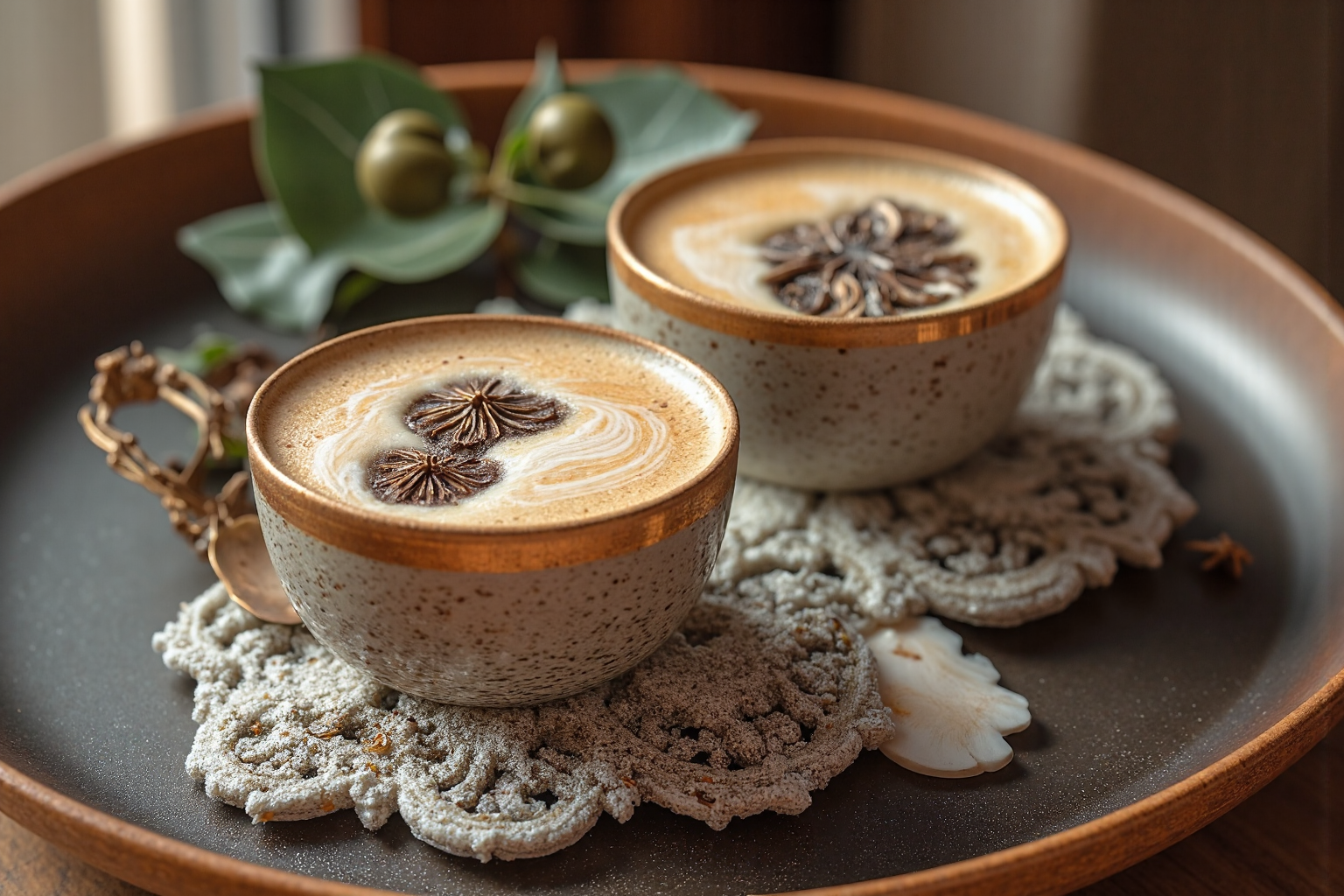
The Rise of Artisanal Tea: A New Brew in Town
The urban beverage scene is witnessing a dynamic shift, moving beyond the ubiquitous coffee shop to embrace a new era of artisanal tea bars. These establishments represent more than just a passing trend; they signify a fundamental change in how we perceive and consume tea. Forget the image of dusty tea rooms and predictable tea bags; today’s tea bars are vibrant hubs of innovation, offering a modern, sophisticated take on traditional tea culture. They are redefining the tea-drinking experience, transforming it into an art form that rivals the most elaborate coffee preparations. From meticulously sourced, single-origin leaves to cutting-edge brewing methods like the elegant Gongfu ceremony and innovative cold-brew techniques, these bars are elevating tea to a new level of appreciation.
This resurgence is fueled by a growing consumer demand for premium, authentic experiences, a trend that resonates across the food and beverage industry. Artisanal tea bars cater to this desire by offering a diverse range of high-quality teas, often rare and exclusive, expertly prepared and presented. The focus extends beyond the beverage itself to encompass the entire sensory experience, from the elegant teaware and delicate garnishes to the calming ambiance and knowledgeable staff. This holistic approach resonates with today’s tea lover, who seeks not just a drink but an immersive cultural experience.
The business model of these tea bars reflects a keen understanding of current market trends. They tap into the growing health-consciousness of consumers by showcasing tea’s natural benefits and offering a refreshing alternative to sugary drinks. Furthermore, they capitalize on the increasing demand for unique and customizable experiences, allowing patrons to explore diverse tea blends, brewing methods, and flavor profiles. This personalized approach fosters a sense of community and connection among tea enthusiasts, transforming the tea bar into a social hub.
The rise of artisanal tea bars also reflects a broader cultural shift towards mindful consumption and a renewed appreciation for traditional rituals. In a fast-paced world, these spaces offer a sanctuary for slowing down, savoring the moment, and connecting with a rich cultural heritage.
By bridging the gap between ancient traditions and modern tastes, artisanal tea bars are not just brewing tea; they are brewing a new era in urban beverage culture, one steeped in quality, experience, and a deep appreciation for the art of the steep. This movement is attracting a diverse demographic, from millennials and Gen Z seeking authentic experiences to seasoned tea connoisseurs looking for rare and exquisite blends. The success of these establishments demonstrates the growing market potential of premium tea and the power of crafting a truly immersive beverage experience.
Profiling the Pioneers: Successful Tea Bar Case Studies
The artisanal tea bar industry is experiencing remarkable growth, with each establishment carving out a distinct identity within the market. ‘The Rare Leaf’ in San Francisco stands out for its unwavering commitment to single-origin teas sourced from remote regions. This tea shop prioritizes education, offering guided tastings that explore the intricate flavors shaped by terroir and processing methods. Their focus on Gyokuro and Darjeeling varietals, combined with direct relationships to tea farmers, ensures ethical sourcing and premium quality. This dedication to authenticity and craftsmanship has earned them a loyal clientele that values excellence above all else, positioning them as a leader in the premium tea market.
Beyond the Brew: Innovative Techniques and Unique Blends
Artisanal tea bars are revolutionizing tea culture by offering sophisticated sensory experiences and pushing the boundaries of traditional brewing methods. Innovative techniques such as cold brewing produce smoother, less bitter teas, ideal for summer refreshment and highlighting the delicate flavors of green and white teas. The resurgence of matcha ceremonies brings a touch of traditional Japanese culture to urban settings, emphasizing mindfulness and precise preparation. Tea infusions, combining tea leaves with fruits, herbs, and spices, create complex flavor profiles that appeal to adventurous palates. These approaches not only enhance the taste of tea but also differentiate tea businesses in a competitive market. artisanal tea bars are at the forefront of this transformation, blending creativity with tradition to redefine urban beverage culture.
Presentation plays a pivotal role in the artisanal tea experience. Elegant teaware, from delicate porcelain cups to handcrafted teapots, enhances the visual appeal and elevates the perceived value of the tea. Garnishes like edible flowers, fresh fruit slices, or herbs add an extra layer of sensory delight and create Instagram-worthy moments, promoting the tea bar on social media. The sourcing of tea leaves is a cornerstone of the artisanal tea movement. Many tea bars partner directly with small farms, prioritizing quality, sustainability, and ethical labor practices. This focus on provenance ensures a superior product and resonates with the values of conscious consumers, building trust and brand loyalty.
The emphasis on single-origin teas allows tea lovers to explore the diverse terroir of tea-growing regions, much like wine connoisseurs appreciate different vineyards. Each region imparts unique characteristics to the tea leaves, resulting in a vast spectrum of flavors and aromas. This focus on quality and origin creates opportunities for tea education and curated tasting experiences, enriching the customer experience and driving demand for premium teas. Additionally, the growing popularity of tea cocktails is shaping the urban beverage scene. Mixologists are experimenting with tea as a base for innovative cocktails, blending its complex flavors with spirits, liqueurs, and fresh ingredients. These tea-infused cocktails offer a sophisticated alternative to traditional alcoholic beverages, attracting a new segment of consumers to the world of tea and creating exciting opportunities for urban beverage culture to evolve.
More Than Just a Cup: Crafting Immersive Tea Experiences
Artisanal tea bars are revolutionizing the way people engage with tea, transforming a simple beverage into a multi-sensory experience that honors tradition while captivating modern palates. These establishments go beyond basic consumption by crafting immersive journeys that highlight tea’s rich history, diverse flavors, and cultural significance. Through meticulously designed tea pairing menus, they elevate both the beverage and accompanying dishes—such as pairing delicate white tea with light seafood or robust black tea with rich chocolate desserts. These thoughtful combinations not only enhance flavor profiles but also educate consumers about the intricate relationships between tea and food, fostering a deeper appreciation for the art of pairing. artisanal tea bars are at the forefront of this movement, redefining urban beverage culture by blending creativity with tradition.
Brewing Success: Business Models and Growth Strategies
The modern tea bar thrives on a diverse range of business models, each tailored to its unique brand identity and target market. From the cozy charm of independent shops like “The Tea Spot” in Louisville, known for its focus on direct trade and community engagement, to the rapid expansion of franchise models such as “Chatime,” which leverages brand recognition and streamlined operations, the tea industry offers a multitude of entrepreneurial avenues.
Furthermore, the rise of e-commerce has opened doors for online retail platforms like “Vahdam Teas,” specializing in premium, ethically sourced teas delivered directly to consumers worldwide. These diverse approaches demonstrate the adaptability and dynamism of the tea business in the 21st century. Successful marketing in the tea industry hinges on crafting a compelling brand narrative that resonates with today’s discerning tea lover.
This involves cultivating a strong brand identity that reflects the unique values and offerings of the tea bar, whether it’s a commitment to sustainability, a focus on rare and exotic teas, or an emphasis on innovative tea blends and brewing techniques. Leveraging social media platforms like Instagram and TikTok allows tea businesses to connect directly with their target audience, showcasing visually appealing content that highlights the artistry of tea preparation, the unique ambiance of their tea rooms, and the diverse range of tea experiences they offer. Loyalty programs and personalized recommendations further enhance customer engagement and foster a sense of community around the brand. Expansion strategies in the tea industry are as varied as the teas themselves. Many independent tea shops prioritize organic growth, focusing on building a loyal local following through community events, tea tasting workshops, and collaborations with local businesses.
Even so, for franchise models, expansion often involves strategic partnerships and targeted marketing campaigns to establish a presence in new markets. Developing new product lines, such as seasonal tea blends, tea-infused cocktails, or ready-to-drink bottled teas, allows tea businesses to cater to evolving consumer preferences and expand their reach. Collaborations with other businesses, such as bakeries, chocolatiers, or wellness centers, can create synergistic opportunities and introduce new customers to the world of artisanal tea.
Here’s the thing: the rise of tea subscription boxes, like those offered by “Sips by,” provides a curated tea discovery experience, introducing subscribers to a diverse selection of teas and fostering a deeper appreciation for tea culture. This model also offers a valuable platform for smaller tea producers to reach a wider audience and build brand awareness.
The success of a tea business lies in its ability to adapt to the ever-evolving landscape of the beverage industry, embracing innovation while staying true to the rich traditions and cultural significance of tea.
The Tea Drinker of Today: Customer Demographics and Trends
Today’s tea drinker isn’t just sipping—they’re savoring, exploring, and often geeking out over every leaf. Sure, millennials and Gen Z are fueling much of the boom, but let’s be real: the love affair with artisanal tea spans generations. What unites them? A hunger for quality, a craving for something more than just a caffeine fix, and—let’s not forget—a growing wariness of sugar-laden drinks. Tea, with its antioxidants and wellness perks, fits the bill perfectly. Green tea for a metabolism kick? Chamomile for winding down after a long day? These aren’t just beverages; they’re tiny rituals of self-care, and people are here for it.
But it’s not just about what’s in the cup—it’s about the *experience*. The modern tea lover isn’t just buying a product; they’re investing in moments. That might mean shelling out for a rare single-origin oolong or spending an evening at a dimly lit tea bar, where the air hums with the quiet clink of porcelain and the scent of steeping leaves. This is experiential consumption at its finest—where a guided tasting or a hands-on brewing workshop isn’t just fun, it’s a way to connect. And then there’s the cultural pull. Whether it’s the meditative grace of a Japanese matcha ceremony or the precision of Chinese Gongfu brewing, tea rituals offer a tangible link to history. Artisanal tea bars aren’t just selling drinks; they’re curating portals to tradition, complete with stories, techniques, and—if you’re lucky—a sense of community.
Oh, and let’s talk customization. In a world where everyone wants everything *just so*, tea is no exception. Walk into a well-stocked tea bar these days, and you’re not just picking a flavor—you’re designing your own blend, tweaking brew times, even choosing your vessel. (Because, let’s face it, a delicate white tea deserves better than a chipped mug.) This isn’t just about personal preference; it’s about ownership. When customers leave with a bespoke blend they helped create, they’re not just coming back—they’re bringing friends.
For businesses, this is both an opportunity and a challenge. The tea market is crowded, and standing out means more than just slapping a “premium” label on a tin. It’s about leveraging social media to spark conversations (because nothing sells like a perfectly styled matcha latte), rolling out loyalty programs that feel personal, and building a brand that doesn’t just sell tea—it sells an identity. At the end of the day, the tea bars that thrive won’t just be the ones with the best leaves. They’ll be the ones that turn a simple cup of tea into something unforgettable—something that lingers long after the last sip.
The Future of Tea: Trends and Opportunities
The future of tea culture is defined by a growing emphasis on sustainability, which has evolved from a niche concern to a fundamental expectation among consumers. Modern tea buyers increasingly seek ethically sourced leaves, transparent supply chains, and eco-friendly packaging, driving demand within the artisanal sector. Tea bars are responding by partnering directly with farms that adopt sustainable practices, reinforcing their environmental commitments and appealing to eco-conscious patrons. Additionally, the industry is embracing circular economy principles, with businesses exploring waste reduction strategies such as composting tea leaves, using biodegradable materials, and implementing refill programs to minimize their carbon footprint and align with broader environmental goals.
Technology is transforming the tea experience, both online and in physical retail spaces, by enhancing convenience and engagement. Digital platforms now offer personalized recommendations, detailed insights into tea origins, and seamless online ordering. Interactive menus on tablets or touchscreens allow customers to explore blends, learn brewing techniques, and customize their drinks—creating an immersive and educational journey. Some tea bars are even experimenting with augmented reality to provide virtual tours of plantations or interactive brewing demonstrations, blending innovation with tradition to stay competitive in the modern market.
Innovation in tea blends and experiential offerings is reshaping the premium tea sector, driven by evolving consumer tastes. There is a rising demand for unique flavor profiles, leading blenders to experiment with unconventional ingredients like herbs, spices, fruits, and adaptogenic mushrooms. Trends such as cold brew, sparkling tea, and tea cocktails reflect a shift toward refreshing and creative beverage options. Beyond the product itself, artisanal tea bars are curating immersive experiences—such as tea pairing menus, workshops, and guided tastings—to deepen customer engagement and highlight the craftsmanship behind each cup.
Still, the artisanal tea bar is increasingly becoming a cultural hub, fostering community and meaningful connections beyond transactions. Shops are hosting events like book clubs, art exhibitions, and live performances to attract diverse audiences and cultivate a sense of belonging. This aligns with broader lifestyle trends prioritizing authenticity and shared experiences. As premium tea demand grows, businesses are expanding offerings to include teaware, brewing accessories, and curated gift sets, diversifying revenue streams and reinforcing their role as lifestyle brands.
To sustain growth, the tea industry must adapt to shifting market dynamics through innovation and strategic expansion. This includes exploring new distribution channels, such as subscription services and partnerships with specialty retailers, while investing in research and development for novel blends and brewing techniques. Businesses that prioritize quality, sustainability, and forward-thinking approaches will thrive in an increasingly competitive landscape. The artisanal tea bar remains poised to shape the future of urban beverages, blending tradition with innovation to meet the demands of today’s discerning consumers.
A Toast to the Future of Tea
Artisanal tea bars are not merely a fleeting trend; they signify a fundamental shift in how we perceive, consume, and appreciate tea. This movement transcends the simple act of brewing a cup; it represents a cultural resurgence, transforming urban beverage culture and redefining the tea experience. By seamlessly blending tradition with innovation, these establishments are not just serving tea, they are crafting immersive experiences that cater to a modern audience seeking authenticity, quality, and connection. The rise of artisanal tea bars reflects a broader cultural shift towards mindful consumption. Consumers are increasingly seeking out premium products and experiences that offer a deeper connection to the origins and craftsmanship behind what they consume. This is evident in the craft beer movement, the resurgence of independent coffee shops, and now, the blossoming artisanal tea scene.
Tea bars like “The Tea Spot” in Boulder, Colorado, exemplify this by focusing on direct relationships with tea farmers and offering educational workshops on tea processing and brewing, adding value beyond the beverage itself. This resonates with today’s consumer who values transparency and knowledge about the products they choose. The success of such businesses demonstrates the viability of this model. The focus on unique and customizable experiences also fuels the growth of artisanal tea bars. Unlike traditional tea rooms, these modern establishments offer a diverse range of tea varieties, brewing methods, and flavor profiles. From single-origin teas from remote regions to innovative tea blends incorporating herbs, spices, and fruits, there’s something to cater to every palate. Many tea bars, like “Cha Cha Matcha” with locations across the US, offer customizable options, allowing customers to create their own unique tea blends, further enhancing the personalized experience and fostering a sense of ownership and creativity. This level of customization aligns with the broader consumer trend of personalized experiences, further solidifying the tea bar’s place in modern culture. The community aspect is another key element driving the success of artisanal tea bars. These spaces are becoming hubs for tea lovers and enthusiasts to connect, share their passion, and learn from one another. Many tea bars host events like tea tastings, workshops, and even tea ceremonies, fostering a sense of community and shared appreciation. This social element elevates the tea experience beyond a solitary activity, transforming it into a shared cultural ritual. The sense of community fostered by these spaces taps into the growing desire for authentic human connection in an increasingly digital world, further demonstrating the cultural significance of the artisanal tea movement. The burgeoning artisanal tea movement is a testament to the enduring appeal of tea and its capacity for reinvention. These establishments are not just brewing a beverage; they are brewing a new era in urban beverage culture, one steeped in quality, experience, and community. The future of tea culture looks bright, with artisanal tea bars leading the way in shaping a more mindful, personalized, and connected tea experience for years to come.