Unveiling the Essence of Single-Origin Coffee
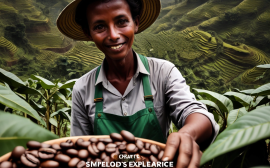
In the ever-evolving world of coffee, one trend continues to captivate enthusiasts and professionals alike: single-origin coffee. But what exactly defines this coveted brew, and why has it garnered such acclaim? Single-origin coffee, quite simply, refers to coffee beans sourced from a single farm, region, or even a specific lot within a farm. This contrasts with blends, which combine beans from various origins to achieve a consistent flavor profile. The significance of single-origin lies in its ability to showcase the unique terroir – the environmental factors like soil, climate, and altitude – that shape the bean’s character.
Each sip offers a glimpse into the specific place where the coffee was grown, revealing nuances and complexities often masked in blends. Think of it as wine; a single-vineyard Cabernet Sauvignon tells a story of its origin in a way a generic ‘red blend’ never could. This guide serves as your passport to the world of single-origin coffees, offering insights into the regions, brewing methods, and sourcing practices that define this exceptional category. As the specialty coffee market continues its robust growth, projected to continue through 2030 according to a recent GlobeNewswire report, understanding single-origin coffee becomes increasingly vital for both consumers and industry professionals.
Beyond mere geographical indication, single-origin coffee represents a commitment to transparency and a celebration of distinct flavor profiles. Consider, for instance, the bright, citrusy notes characteristic of a Yirgacheffe from Ethiopia, a stark contrast to the earthy, full-bodied experience of a Sumatran Mandheling. Similarly, a Colombian Excelso offers a balanced profile with nutty and caramel undertones, while a Kenya AA is known for its vibrant acidity and black currant notes. These regional variations highlight the profound impact of terroir on the final cup, making single-origin coffee a true sensory adventure.
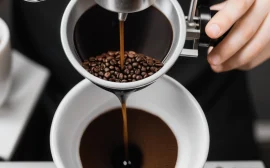
Understanding these nuances allows coffee lovers to curate their own personalized coffee experiences, exploring the diverse landscapes and cultural traditions embedded within each bean. The rise of single-origin coffee has also spurred innovation in coffee brewing methods. While blends often benefit from consistent brewing parameters, single-origin coffees demand a more nuanced approach to unlock their full potential. Coffee brewing methods like pour-over, with tools like the Hario V60 or Chemex, allow for precise control over water temperature, flow rate, and extraction time, enabling baristas to highlight the unique characteristics of each bean.
French press brewing, on the other hand, offers a fuller-bodied extraction, showcasing the coffee’s inherent richness and texture. Even espresso, when prepared with single-origin beans, can reveal surprising complexities and aromatic subtleties often lost in traditional espresso blends. Experimentation and mindful adjustment are key to optimizing the brewing process for each single-origin coffee. Furthermore, the increasing demand for single-origin coffee has driven a greater emphasis on sustainability and traceability within the coffee industry. Consumers are increasingly interested in knowing where their coffee comes from, how it was grown, and the impact its production has on the environment and local communities. This has led to a surge in direct trade relationships between roasters and farmers, fostering greater transparency and ensuring fair prices for coffee beans. Traceability initiatives, often leveraging technologies like blockchain, allow consumers to track their coffee from the farm to their cup, verifying its origin and ethical sourcing. As the specialty coffee market continues to evolve, sustainability and traceability will undoubtedly remain key factors in shaping the future of single-origin coffee.
A World Tour of Coffee Regions
The beauty of single-origin coffee lies in its diversity. Each growing region imparts a unique fingerprint on its beans. However, climate change poses a significant threat to these delicate ecosystems. Rising temperatures, altered rainfall patterns, and increased incidence of pests and diseases are already impacting coffee production worldwide, potentially altering the flavor profiles we’ve come to cherish and reducing yields for farmers. Sustainable practices and climate-resilient farming techniques are becoming increasingly crucial for the future of single-origin coffee.
Here are a few examples of distinct coffee growing regions: Ethiopia Yirgacheffe is known as the birthplace of coffee, and the Yirgacheffe region produces beans with bright acidity, floral aromas (jasmine, bergamot), and citrusy notes. The high altitude and unique heirloom varietals contribute to its distinctive character. Washed processing is common, enhancing the clarity of flavors. Many smallholder farmers contribute to the Yirgacheffe supply chain. The impact of climate change is a serious concern, threatening traditional growing practices.
According to a recent report by the Coffee Quality Institute, Yirgacheffe is particularly vulnerable to prolonged droughts, which can significantly impact bean quality and yield. Experts recommend investing in water conservation techniques and promoting drought-resistant varietals to mitigate these risks. Colombian Excelso refers to a specific bean size grading within Colombian coffee. Colombian coffees are generally known for their balanced profiles, medium body, and notes of caramel, nuts, and chocolate. The consistent climate and meticulous harvesting practices contribute to its quality.
Washed processing is prevalent. Climate change is impacting the coffee growing regions of Colombia, leading to shifts in altitude and increased pest pressures. The Federación Nacional de Cafeteros de Colombia is actively researching and promoting climate-smart agriculture practices, such as shade-grown coffee and improved soil management, to help farmers adapt to these changing conditions. These initiatives are crucial for maintaining the consistent quality of Colombian Excelso. Sumatran Mandheling, this Indonesian coffee is characterized by its earthy, full-bodied flavor, with notes of chocolate, spice, and sometimes a hint of cedar.
The ‘giling basah’ (wet-hulled) processing method is unique to Sumatra, contributing to its distinctive profile. Smallholder farms are the norm. Deforestation and unsustainable farming practices pose environmental challenges. A study published in the journal ‘Sustainability’ highlights the urgent need for reforestation efforts and the adoption of sustainable farming practices in Sumatra to protect the unique characteristics of Sumatran Mandheling coffee. Consumers can support these efforts by seeking out coffees certified by organizations like the Rainforest Alliance.
Kenya AA, ‘AA’ denotes the largest bean size in Kenyan coffee, signifying quality. Kenyan coffees are celebrated for their complex acidity, black currant notes, and vibrant flavors. The SL28 and SL34 varietals are widely planted. Washed processing is standard. Climate change is a growing concern, affecting water availability and increasing the risk of coffee berry disease. The Kenyan Coffee Research Institute is actively working on developing disease-resistant varietals and promoting water-efficient irrigation techniques to help farmers combat these challenges.
The distinctive bright acidity of Kenya AA makes it a favorite for pour-over coffee brewing methods. Guatemalan Antigua, grown in the volcanic Antigua region, these coffees boast a balanced profile with chocolate, nutty, and spicy notes. The volcanic soil and microclimate contribute to its unique character. Both washed and natural processing methods are used. Climate change is impacting the Antigua region, leading to increased rainfall variability and potential for soil erosion. Local cooperatives are implementing soil conservation practices and promoting diversification of crops to enhance resilience.
The rich, balanced flavor profile of Guatemalan Antigua makes it a versatile choice for various coffee brewing methods, including espresso and French press. Sourcing single-origin coffee beans from Antigua that are directly traded ensures fair compensation for farmers and supports sustainable farming practices. Beyond these examples, exploring lesser-known coffee regions can be incredibly rewarding. Countries like Panama, with its Geisha varietal, and Rwanda, with its bright, clean coffees, are gaining recognition for their exceptional specialty coffee offerings. The key is to understand the unique characteristics of each region and how they influence the flavor profile of the coffee beans. This knowledge, combined with proper coffee brewing methods, allows coffee enthusiasts to truly appreciate the nuances of single-origin coffee. Furthermore, by prioritizing sustainability and traceability, consumers can contribute to the long-term health of coffee regions and the livelihoods of the farmers who cultivate these exceptional coffee beans.
Brewing for Brilliance: Unlocking Flavor Potential
Brewing single-origin coffees requires a mindful approach to unlock their full potential. The goal is to highlight the unique characteristics of each bean, rather than masking them. Single-origin coffees, unlike blends, offer a direct line to a specific terroir, and the brewing process should be tailored to reveal its unique story. Understanding the bean’s origin – whether it’s a bright, citrusy Yirgacheffe from Ethiopia or a rich, chocolatey Sumatran Mandheling – is the first step in selecting the appropriate brewing method and parameters.
Roasters often provide guidance on their bags, but experimentation is key to finding what works best for your palate. Ultimately, the aim is to coax out the inherent flavors and aromas that define each single-origin coffee. Here are some best practices for different coffee brewing methods: Pour-Over methods (e.g., Hario V60, Chemex) allow for precise control over water temperature, flow rate, and brewing time, making them ideal for showcasing the nuances of single-origin coffees. This method allows you to highlight the acidity and delicate floral notes often found in East African coffees like Kenya AA.
Use a gooseneck kettle for controlled pouring, aiming for a slow, even saturation of the grounds. Experiment with grind size; a medium-fine grind is generally recommended as a starting point, but adjust based on the coffee’s characteristics and your taste preferences. The bloom, where you initially saturate the grounds with a small amount of water, is crucial for degassing and preparing the coffee for optimal extraction. The French press produces a full-bodied cup with a rich, sediment-filled texture, showcasing a different side of single-origin coffee.
It’s particularly well-suited for coffees with chocolatey or nutty notes, such as a well-processed Colombian Excelso or a Guatemalan Antigua. Use a coarse grind to prevent over-extraction and avoid a muddy taste. The immersion brewing style of the French press allows for a longer contact time between the water and coffee grounds, extracting more oils and solubles. Be mindful of the brewing time; typically, four minutes is sufficient to achieve a balanced extraction. Press down slowly and gently to avoid disturbing the sediment at the bottom.
Espresso brewing concentrates the flavors of the coffee, making it crucial to dial in the grind size, dose, and extraction time. Lighter-roasted single-origin coffees can be challenging to extract properly as espresso, as their higher acidity and density require careful calibration. Experiment with different parameters, paying close attention to the extraction time and the resulting taste. A fine grind is essential for espresso, but finding the perfect fineness is an iterative process. Consider the coffee’s origin and roast level when choosing your parameters.
For example, a washed Ethiopian Yirgacheffe may require a slightly coarser grind and lower temperature than a naturally processed one to avoid excessive acidity. Water quality is also paramount. Use filtered water with a balanced mineral content to avoid off-flavors that can mask the delicate nuances of single-origin coffees. Water temperature should be between 195-205°F (90-96°C) for most brewing methods, but some lighter-roasted coffees may benefit from slightly higher temperatures. Pre-wetting or ‘blooming’ the grounds is also recommended to degas the coffee and allow for even extraction.
This initial bloom releases carbon dioxide, which can hinder proper saturation and extraction. The Northern Grind in Cromwell emphasizes quality coffee brewing techniques to enhance the customer experience, a practice increasingly common in specialty coffee shops that are committed to showcasing the unique profiles of single-origin coffee beans. Furthermore, understanding the principles of sustainability and traceability within the coffee industry ensures that your brewing choices support ethical and environmentally responsible practices, enhancing your enjoyment of specialty coffee.
Navigating the World of Single-Origin: A Buyer’s Guide
Selecting the right single-origin coffee is a personal journey, guided by your taste preferences. Do you prefer bright acidity or a more mellow, chocolatey profile? Are you drawn to floral aromas or earthy notes? Consider the following tips when sourcing single-origin coffee beans: Identify Your Taste Preferences: Start by exploring different coffee regions and noting which flavor profiles you enjoy most. Read coffee reviews and descriptions to guide your choices. For example, if you enjoy bright, floral notes, explore a Yirgacheffe from Ethiopia or a Kenya AA.
Prefer something richer and chocolatey? Consider a Sumatran Mandheling or a Guatemalan Antigua. Online resources and specialty coffee shops often provide detailed tasting notes to help guide your exploration. Look for Reputable Roasters: Choose roasters who are transparent about their sourcing practices and provide detailed information about the coffee’s origin, processing method, and flavor notes. Direct trade relationships, where roasters work directly with farmers, often indicate a commitment to quality and ethical sourcing. Many roasters now provide detailed farm-level information, showcasing their commitment to sustainability and traceability throughout the supply chain.
Check the Roast Date: Coffee beans are best consumed within a few weeks of roasting. Look for a roast date on the bag to ensure freshness. The volatile compounds that contribute to coffee’s aroma and flavor degrade over time, so freshly roasted coffee will always offer a superior experience. Consider the Processing Method: Washed coffees tend to be brighter and more acidic, while natural coffees are often fruitier and sweeter. Honey-processed coffees offer a balance between the two.
The processing method significantly impacts the final flavor profile of the coffee beans, so understanding these nuances will help you select coffees that align with your preferences. For example, a washed Colombian Excelso will offer a cleaner, brighter cup compared to a naturally processed one from the same region. Experiment and Explore: Don’t be afraid to try new origins and processing methods. The world of single-origin coffee is vast and rewarding. Each coffee brewing method, from pour-over to French press and espresso, will also highlight different aspects of the bean’s flavor.
Explore how different coffee brewing methods impact the taste of your favorite single-origin coffee. Several subscription services are emerging that offer personalized bean selection based on AI-powered taste matching. These services can be a great way to discover new coffees and expand your palate. Furthermore, consider attending coffee cuppings or tastings at local specialty coffee shops. These events provide an opportunity to sample a variety of single-origin coffees and learn from experienced baristas. Actively engaging with the specialty coffee community is an invaluable way to deepen your knowledge and refine your palate.
Beyond flavor, consider the roaster’s commitment to ethical sourcing and sustainability. Look for certifications like Fair Trade or Rainforest Alliance, or inquire about their direct trade relationships with farmers. Supporting roasters who prioritize fair wages and environmentally responsible practices ensures the long-term health of the coffee industry and the communities that depend on it. This focus on traceability not only benefits farmers but also allows consumers to make informed choices about the coffee they consume.
Emerging Trends and Predictions for 2025
The single-origin coffee market is poised for continued growth and innovation in 2025. Several key trends are shaping its future: Sustainability and Traceability: Consumers are increasingly demanding transparency and ethical sourcing. Roasters are responding by building direct trade relationships with farmers and implementing blockchain technology to track the coffee’s journey from farm to cup. Innovative Processing Techniques: Experimental processing methods like anaerobic fermentation and carbonic maceration are gaining popularity, creating unique and complex flavor profiles.
Climate-Resilient Farming: As climate change intensifies, farmers are adopting climate-resilient farming practices, such as shade-growing and water conservation, to protect their crops and ensure the long-term viability of coffee production. Focus on Rare and Unique Varietals: The search for rare and unique coffee varietals is driving innovation and pushing the boundaries of flavor. Expect to see more coffees from lesser-known origins and with distinctive genetic profiles. Beyond these established trends, expect to see a surge in hyperlocal sourcing initiatives.
Smaller roasters are actively seeking out micro-lots and establishing direct relationships with individual farmers in specific coffee regions. This trend not only supports farmers directly but also allows for a deeper understanding of the terroir and its impact on the final cup. Imagine a roaster offering a single-origin coffee not just from Yirgacheffe, but from a specific hillside within that region, highlighting the unique characteristics imparted by the soil and microclimate. This level of specificity caters to the increasingly sophisticated palate of specialty coffee consumers.
The evolution of coffee brewing methods is also playing a significant role. While pour-over remains a popular choice for showcasing the nuances of single-origin coffee, other methods are gaining traction. Innovative espresso techniques, refined French press brewing, and even cold brew variations are being adapted to highlight the unique flavor profiles of different beans. Roasters are increasingly providing specific brewing recommendations for each single-origin coffee they offer, guiding consumers on how to best extract the desired flavors and aromas.
Whether it’s a light roast Kenyan AA best suited for pour-over or a dark roast Sumatran Mandheling ideal for French press, informed brewing is key to unlocking the full potential of these exceptional coffee beans. Looking ahead, the integration of technology will further transform the single-origin coffee experience. AI-powered platforms are emerging that can analyze coffee beans and predict their flavor profiles, helping roasters to optimize their roasting process and consumers to select coffees that match their preferences.
Furthermore, advancements in packaging technology are extending the shelf life of coffee beans, allowing consumers to enjoy fresh, flavorful coffee for longer periods. This is particularly important for rare and expensive single-origin coffees, such as those from the Guatemalan Antigua region or sought-after Colombian Excelso beans, ensuring that their delicate flavors are preserved from the roastery to the cup. These technological advancements, combined with a growing emphasis on sustainability and traceability, promise a bright future for the single-origin coffee market. In conclusion, the single-origin coffee market is dynamic and exciting. By embracing sustainability, traceability, and innovation, the industry can ensure a bright future for both coffee farmers and coffee lovers alike. The Perfect Daily Grind consistently reports on these emerging trends, offering valuable insights into the evolving coffee landscape.