Introduction: The Importance of Espresso Machine Maintenance
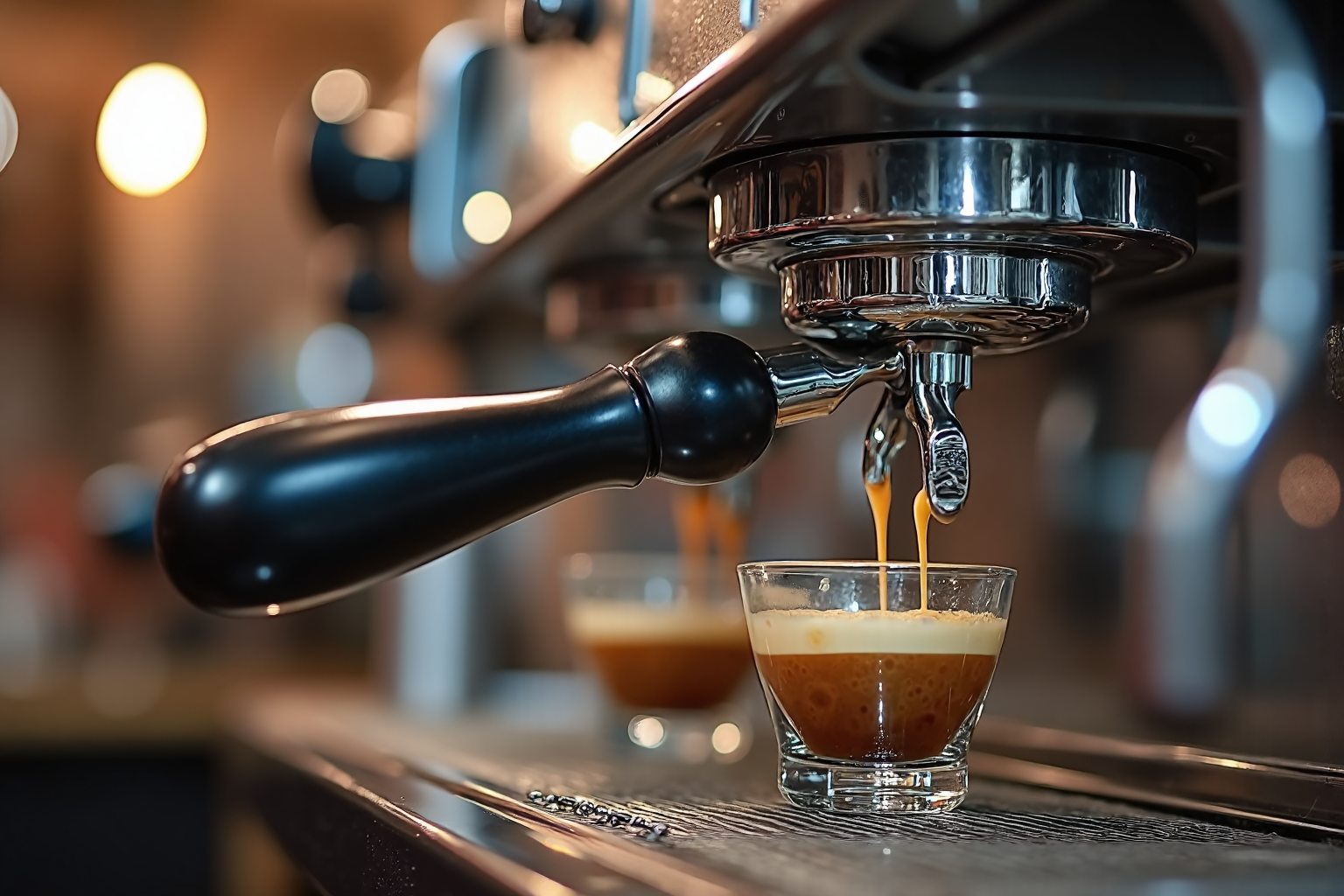
Your professional-grade espresso machine is the heart of your coffee operation, whether it’s a bustling café serving hundreds of customers daily or your prized home setup crafting the perfect morning cup. This intricate piece of equipment, much like a high-performance engine, demands regular care and attention to maintain its optimal functionality and longevity. Neglecting its maintenance isn’t just about the inconvenience of a temporary breakdown; it directly impacts the quality of your espresso, leading to inconsistent shots, bitter flavors, and a drastically shortened lifespan. Investing in proper maintenance is an investment in the quality of your coffee and the long-term value of your equipment. This comprehensive guide, ‘Mastering Espresso Machine Maintenance: A Pro’s Guide to Longevity and Performance,’ will equip you with the knowledge and techniques necessary to keep your machine running smoothly, ensuring top-quality espresso for years to come.
We’ll cover everything from daily cleaning routines to in-depth troubleshooting, providing you with the tools to maintain peak performance and avoid costly repairs. Think of this guide as your essential toolkit for preserving the heart of your coffee experience. Just as a barista hones their skills through practice and training, mastering espresso machine maintenance is a crucial skill that elevates your coffee game, whether you’re a seasoned professional or a passionate home barista.
Proper maintenance not only ensures consistent, delicious espresso but also protects your investment, preventing premature wear and tear on your valuable equipment. From understanding the nuances of water filtration for espresso machines, crucial for preventing mineral buildup and off-flavors, to mastering the art of espresso machine descaling, which removes harmful deposits that affect performance, this guide will empower you to take control of your espresso experience.
We’ll delve into the specifics of professional espresso machine cleaning, providing practical, step-by-step instructions for daily, weekly, and monthly maintenance. We’ll also cover common espresso machine troubleshooting scenarios, equipping you with the knowledge to diagnose and address issues effectively. Whether you’re dealing with inconsistent shots, steam wand malfunctions, or pressure problems, this guide will provide practical solutions to get your machine back on track.
But even so, by following the advice outlined in this guide, you’ll not only extend the life of your machine but also elevate the quality of every cup you brew, ensuring a rich, flavorful, and consistent espresso experience every time.
Daily Maintenance: The Foundation of a Healthy Machine
Daily maintenance is the cornerstone of a healthy espresso machine and the key to consistently delicious espresso. This routine prevents the buildup of coffee oils and residue, ensuring optimal performance and extending the lifespan of your equipment. Begin each day by flushing the group heads. This simple act, running hot water through the group heads for about 30 seconds, removes any residual coffee grounds and prepares the machine for the day’s work. Think of it as a morning wake-up call for your espresso machine. For professional baristas, this sets the stage for consistent extraction and flavor profiles throughout service. In a home setting, it ensures your first shot is as rich and flavorful as the last. After each shot, diligently wipe down the portafilters and group heads with a clean, damp cloth.
This removes any lingering coffee grounds and prevents the buildup of oils, which can turn rancid and affect the taste of your espresso. This practice is crucial in high-volume cafes where back-to-back shots are the norm. For home users, this simple step contributes significantly to the longevity of your machine.
Here’s the thing: at the end of the day, backflushing is essential. Consult your machine’s manual for specific instructions and recommended cleaning detergents, as these can vary. Backflushing forces cleaning solution through the machine’s internal components, removing coffee oils and grounds that accumulate throughout the day. This process is fundamental to preventing clogs and maintaining the hygiene of your espresso machine, whether in a professional or home environment. Thoroughly cleaning the drip tray and steam wand is another crucial daily task. Empty and wipe down the drip tray to prevent bacterial growth and maintain a sanitary workspace. For the steam wand, purging it after each use and wiping it down with a damp cloth is vital. Milk residue can quickly build up and harbor bacteria, impacting the quality of your milk-based beverages and potentially causing hygiene issues. If you use a milk frothing pitcher, clean it immediately after use with hot, soapy water to prevent milk residue from drying and becoming difficult to remove. Proper daily maintenance, including water filtration for espresso machines, is an investment in the long-term health and performance of your equipment. Filtering your water not only improves the taste of your espresso but also protects your machine from mineral buildup, which can lead to costly repairs and decreased lifespan. This is especially important in areas with hard water. By incorporating these daily practices into your routine, you ensure consistent, high-quality espresso and maximize the lifespan of your valuable coffee equipment. Addressing potential issues early on, such as through regular espresso machine troubleshooting, can prevent minor problems from escalating into major repairs. This proactive approach is essential for both professional and home baristas who rely on their espresso machines for consistent performance. From daily cleaning to understanding the nuances of espresso machine descaling, a comprehensive approach to maintenance is key to enjoying delicious espresso for years to come. Professional espresso machine cleaning goes beyond these daily steps, encompassing weekly and monthly maintenance routines that address deeper cleaning and preventative measures. When choosing a home espresso machine, consider home espresso features that align with your maintenance routine and lifestyle.
Weekly Deep Clean: Tackling Buildup and Residue
Let’s talk about weekly maintenance—the unsung hero of great espresso. This is where you roll up your sleeves and get into the nitty-gritty of keeping your machine in top shape. We’re not just talking about a quick wipe-down here; this is about banishing those stubborn coffee oils and fine particles that love to camp out in your group head. Left unchecked, they’ll throw a party in there, invite their friends, and before you know it, you’ve got blockages and funky-tasting shots.
Backflushing with a proper detergent? Non-negotiable. This isn’t just some optional step—it’s your first line of defense against the gunk that wants to ruin your espresso’s flavor. But here’s the thing: not all machines are created equal. Always—*always*—check your manufacturer’s guidelines. That detergent concentration and backflushing duration? They’re not just suggestions. Get it right, and you’re golden. Get it wrong, and you might as well be pouring sand into your machine.
Now, let’s talk portafilters. You’ve got to take them apart, really get in there, and scrub away the grime. And don’t even think about ignoring the spouts or the basket—those are prime real estate for coffee grounds and oils that love to mess with your espresso’s taste. A hot water soak with some mild detergent works wonders for loosening up those stubborn residues. And if you’re serious about this, invest in a good portafilter brush. It’s like a magic wand for those hard-to-reach spots.
The group head brush? Another must-have. Those screens and gaskets are like magnets for coffee oils and grounds. Give them a good scrub, and you’re ensuring a solid seal and top-notch performance. Trust me, your espresso will thank you.
And then there’s the steam wand—the unsung hero of milk-based drinks. Milk residue is sneaky; it hardens fast and loves to clog things up. A quick wipe after each use is great, but weekly, you’ve got to give it some serious attention. Soak that wand tip in a milk-specific cleaning solution, and you’ll keep it running smoothly.
Oh, and the drip tray? Don’t even get me started. It’s the most overlooked part of the machine, but it’s a breeding ground for bacteria and nasty odors if you let it go. Empty it, clean it, and do it weekly. Your nose—and your espresso—will thank you.
Here’s the bottom line: weekly maintenance isn’t just about keeping things clean. It’s about preventing problems before they even think about showing up. Inconsistent shots, pressure drops, costly repairs—none of that is fun. But spend a little time each week on these tasks, and you’re setting yourself up for success. Your machine will run better, last longer, and—most importantly—make incredible espresso.
So, grab your brushes, your detergent, and your cleaning solutions. A little effort now means a whole lot of great coffee later. And isn’t that what we all want?
Monthly Maintenance: Descaling, Water Filtration, and Pressure Checks
Monthly maintenance is essential for the long-term health and performance of your espresso machine, focusing primarily on descaling and water system upkeep. Descaling is a critical process that removes mineral deposits, such as calcium and magnesium, which accumulate over time and can severely impede your machine’s efficiency. These mineral buildups not only reduce the machine’s heating capacity but can also lead to blockages in the internal plumbing, affecting pressure and water flow. Always adhere to the manufacturer’s specific descaling instructions, as different machines may require unique procedures and descaling solutions. Using the wrong solution can damage your machine.
Furthermore, the frequency of descaling depends on the hardness of your water supply, so regular testing is crucial for a proactive maintenance schedule. Water quality plays a pivotal role in the overall performance of your espresso machine, and regular attention to your water filtration system is a must for any serious barista. Investing in a future of maintenance can further elevate your coffee craftsmanship by integrating advanced technologies. Regularly checking and replacing water filters according to the manufacturer’s guidelines will ensure that the water entering your machine is free from impurities and mineral content that could lead to scaling.
Optimal water hardness should be maintained between 50 and 100 ppm, as this range provides the best balance for espresso extraction and machine longevity. Utilizing a water hardness testing kit is an excellent way to monitor your water supply and determine when filter replacements or adjustments are needed. Investing in a high-quality water filtration system designed for espresso machines is a wise decision that will save you time and money in the long run by preventing costly repairs and maintaining the consistent quality of your coffee. Checking the pressure on your machine is another important monthly task. Using a portafilter equipped with a pressure gauge, monitor the pressure during a simulated extraction. The ideal pressure for most espresso machines is around 9 bars, but refer to your machine’s manual for precise specifications.
Consistent pressure is vital for achieving optimal extraction and a balanced flavor profile. If pressure readings are inconsistent or too low, it could indicate a problem with the pump or a blockage within the system, necessitating further troubleshooting. Additionally, inspect all gaskets and seals for any signs of wear or damage. These components are crucial for maintaining proper pressure and preventing leaks. Regularly replacing worn gaskets and seals will ensure your machine operates efficiently and consistently. It’s best to keep a supply of replacement gaskets on hand, especially if you operate a busy cafe.
On the flip side, finally, consider performing a deep clean of your machine’s external components, including the group heads, steam wand, and drip tray. Using a food-safe cleaner and a soft cloth, remove any coffee residue or buildup. This will not only keep your machine looking its best, but it will also prevent the buildup of bacteria and ensure that the machine remains hygienic.
A clean machine is a happy machine, and it’s a must for any barista who wants to serve the best possible espresso.
Troubleshooting: Common Issues and Practical Solutions
Even with diligent maintenance, issues can arise with your espresso machine. Addressing these promptly will minimize downtime and maintain consistent espresso quality. Inconsistent shots can be a common frustration, often stemming from uneven tamping, improper grind size, or machine pressure issues. Ensure your tamping technique applies consistent pressure and creates a level coffee bed in the portafilter. Adjust your grinder settings to achieve the correct grind size for your beans and machine, paying close attention to the extraction time and visual appearance of the espresso. If pressure is inconsistent, check for clogs in the group head or pump, a common culprit being compacted coffee grounds. Professional espresso machine cleaning involves regularly backflushing and descaling to prevent these blockages. Steam wand malfunctions, such as weak steam or blockages, are often caused by milk buildup.
Thoroughly clean the steam wand after each use, including purging any remaining milk and wiping down the exterior. If necessary, disassemble the wand and soak its components in a solution of hot water and a specialized cleaning product designed for milk residue. Replace the tip if it shows signs of wear or persistent blockage. Leaking from your machine can signal issues with gaskets and seals, which can deteriorate over time due to heat and pressure. Inspect these components for damage and replace them as needed, ensuring you use the correct replacements for your specific machine model.
Still, water filtration for espresso machines plays a crucial role in preventing scale buildup and ensuring optimal performance. Regularly replace your water filter according to the manufacturer’s recommendations to maintain water quality and protect internal components. If your machine is experiencing electrical issues, such as failure to power on or inconsistent heating, consult a qualified technician.
Attempting to repair electrical components yourself can be dangerous and may void your warranty. For more complex issues, always refer to your machine’s manual or contact a professional repair service. Proper espresso machine maintenance, combined with prompt troubleshooting, will ensure the longevity of your equipment and the quality of your espresso.
By understanding the common issues and their solutions, you can proactively address problems and maintain a consistent workflow. Regular descaling, as part of your professional espresso machine cleaning routine, is essential for preventing mineral buildup and maintaining optimal water flow, which directly impacts the quality and consistency of your espresso.
Remember, investing in proper maintenance and timely repairs is an investment in the long-term performance and value of your espresso machine.
Conclusion: Investing in Longevity and Performance
A consistent maintenance schedule is the cornerstone of a high-performing, long-lasting espresso machine, whether you’re a seasoned barista or a home enthusiast. This proactive approach not only ensures the longevity of your investment but also guarantees a consistently delicious cup of coffee, day in and day out. Regular cleaning, a fundamental aspect of espresso machine maintenance, prevents the accumulation of coffee oils and mineral deposits. These residues, if left unchecked, can lead to blockages within the machine’s intricate pathways, impacting pressure and ultimately affecting the taste of your espresso. Think of it like maintaining a car – regular oil changes and filter replacements prevent long-term damage and ensure smooth operation. Similarly, keeping your espresso machine clean ensures optimal extraction and preserves the nuanced flavors of your coffee beans.
Yet, proper water filtration is paramount for espresso machine health and directly impacts the quality of your espresso. Using filtered water significantly reduces scale buildup, a common culprit behind machine malfunctions and inconsistent brewing temperatures. Scale, composed primarily of calcium and magnesium carbonates, acts as an insulator, hindering heat transfer and potentially damaging internal components. Investing in a quality water filtration system tailored for espresso machines is a preventative measure that safeguards your equipment and ensures the purest flavor extraction from your coffee. Many professional baristas recommend regularly testing water hardness to ensure the filtration system’s effectiveness.
But replacing gaskets and seals as needed is another critical aspect of espresso machine maintenance, often overlooked but essential for maintaining optimal pressure and preventing leaks. These components, subjected to high temperatures and pressure, wear over time and can lead to pressure loss, affecting extraction quality and potentially causing messy leaks. Regularly inspecting and replacing these inexpensive parts, as recommended by your machine’s manufacturer, is a small investment that prevents larger issues down the line. Just as a barista meticulously prepares each shot, attention to detail in maintenance ensures the machine’s consistent performance.