Unlocking Tranquility: The Power of Therapeutic Tea Blends for Stress Relief
In today’s relentlessly paced world, stress has become an unwelcome, near-constant companion for many. While a multitude of strategies exist to mitigate its impact, a growing number of individuals are seeking natural and holistic approaches that can be seamlessly integrated into their daily lives. Enter therapeutic tea blends – a gentle yet remarkably effective way to soothe both mind and body, offering a moment of respite amidst the chaos. For centuries, across diverse cultures, herbal teas have been revered not only for their delightful flavors but also for their calming and medicinal properties, providing a delicious and accessible pathway to tranquility and mental wellness.
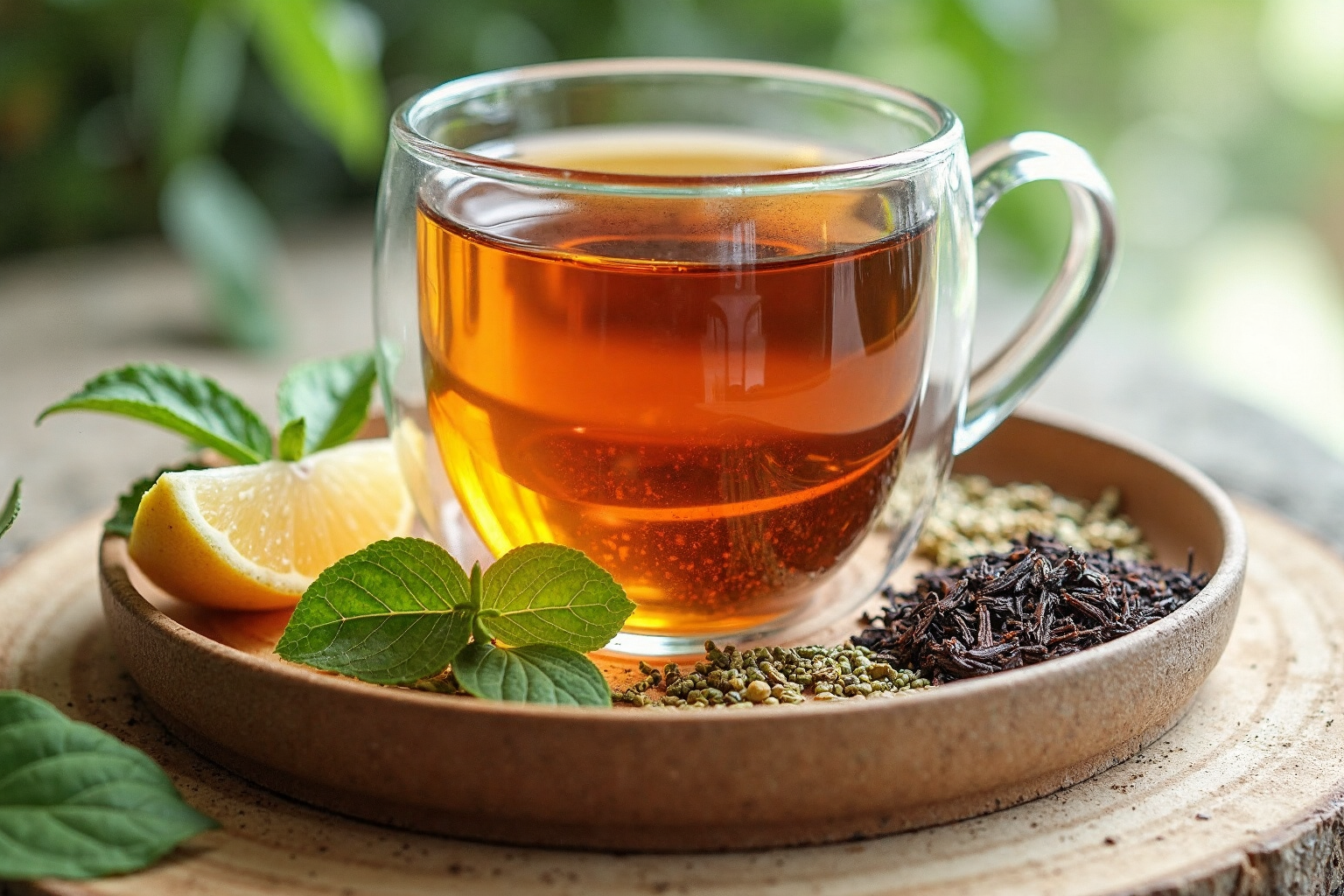
This guide delves into the intricate science underpinning these remarkable brews, offering a comprehensive exploration of how specific herbal combinations can alleviate stress and anxiety, empowering you to craft your own personalized stress-relieving elixirs. The integration of high-quality images will further enhance your understanding, visually showcasing key tea ingredients and preparation processes. Scientific studies increasingly validate the traditional use of herbal tea for stress. Research indicates that specific compounds found in herbs like chamomile, lavender, and lemon balm interact with neurotransmitter systems in the brain, promoting relaxation and reducing anxiety.
For example, chamomile tea, rich in apigenin, binds to GABA receptors, inducing a calming effect. Similarly, lavender tea has been shown to decrease cortisol levels, the hormone associated with stress. Understanding these mechanisms allows for a more informed approach to selecting and blending teas for optimal stress relief. Furthermore, the simple act of preparing and savoring a cup of tea can be a mindful practice, further contributing to its stress-reducing benefits. Exploring DIY tea blends allows one to customize the tea for individual needs and preferences.
This guide will explore various herbal allies renowned for their stress-reducing capabilities, including chamomile tea, lavender tea, lemon balm tea, peppermint tea, passionflower tea, holy basil tea, and valerian root tea. Each herb profile will detail its unique benefits, potential side effects, and recommended dosages, enabling you to make informed decisions about incorporating them into your daily routine. We will also delve into the synergistic effects of combining different herbs, highlighting how specific blends can target multiple aspects of stress, such as anxiety, insomnia, and digestive upset.
For example, a blend of lavender and chamomile can be particularly effective for promoting restful sleep, while peppermint tea can aid in digestion, often compromised during periods of stress. The inclusion of herbs containing L-theanine and rosmarinic acid will also be discussed, emphasizing their roles in promoting relaxation and cognitive function. Beyond simply providing recipes, this guide will empower you to become a knowledgeable and confident creator of your own natural stress remedies. Understanding the properties of individual herbs allows for endless experimentation and customization, ensuring that your tea blends perfectly suit your unique needs and preferences.
Whether you’re seeking a calming blend to unwind before bed or an energizing infusion to combat midday stress, the possibilities are truly limitless. By embracing the art of DIY tea blends, you can transform a simple beverage into a powerful tool for managing stress and promoting overall well-being, fostering a deeper connection with the natural world and your own inner resilience. From selecting the highest quality ingredients to mastering the art of brewing, this guide will provide you with all the knowledge and inspiration you need to embark on your own journey of therapeutic tea blending.
The Science Behind the Sip: Understanding Herbal Tea and Stress
The Science of Serenity: How Herbal Teas Combat Stress. Herbal teas aren’t merely comforting beverages; they’re complex concoctions of bioactive compounds that interact with our nervous system. Several key constituents contribute to their stress-reducing effects: L-Theanine: Found abundantly in green tea, L-theanine is an amino acid known for its ability to promote relaxation without drowsiness. It increases alpha brain wave activity, associated with a state of calm alertness. Apigenin: This flavonoid, present in chamomile, binds to receptors in the brain that decrease anxiety and initiate sleep.
Studies suggest it can have a mild sedative effect. Rosmarinic Acid: Abundant in lemon balm, rosmarinic acid inhibits the breakdown of GABA, a neurotransmitter that promotes relaxation and reduces anxiety. Triterpenes: Found in Reishi mushroom, triterpenes are believed to have calming effects on the nervous system, potentially reducing stress and improving sleep quality. These compounds, among others, work synergistically to alleviate stress and promote a sense of well-being. Understanding their mechanisms allows us to appreciate the true therapeutic potential of herbal teas.
But the story doesn’t end with these four. Consider the broader impact of herbal tea for stress on the hypothalamic-pituitary-adrenal (HPA) axis, the body’s central stress response system. Chronic stress can dysregulate the HPA axis, leading to a cascade of negative effects. Certain herbal remedies, such as holy basil tea (tulsi), have adaptogenic properties, meaning they help the body adapt to stress and restore balance to the HPA axis. This is crucial for long-term stress management and mental wellness.
Furthermore, the act of preparing and consuming herbal tea itself contributes to its stress-relieving effects. The ritual involved – selecting the herbs, steeping them in hot water, and savoring the aroma and taste – promotes mindfulness and creates a moment of calm amidst the chaos of daily life. This mindful practice, often overlooked, is a powerful tool for reducing anxiety. DIY tea blends offer an even greater opportunity for personalization and control over this ritual.
By creating custom stress relief tea blends with ingredients like lavender tea, peppermint tea, or passionflower tea, individuals can tailor the experience to their specific needs and preferences, enhancing the therapeutic benefits. The bioavailability of these beneficial compounds also plays a significant role in their efficacy. Factors such as water temperature, steeping time, and the presence of other compounds in the blend can affect how well the body absorbs and utilizes these active ingredients. For instance, adding a squeeze of lemon to chamomile tea can enhance the extraction of apigenin. Understanding these nuances allows us to optimize our brewing methods and maximize the therapeutic potential of herbal tea for stress. Therefore, exploring the science behind herbal teas empowers us to harness their full potential as natural stress remedies and incorporate them effectively into our daily routines for improved mental wellness.
Meet Your Herbal Allies: Profiles of Stress-Reducing Herbs
Herbal Allies: Profiles of Stress-Reducing Herbs. This section details specific herbs renowned for their stress-reducing properties, including their benefits, potential side effects, and ideal dosage. Chamomile (Matricaria chamomilla): Benefits: Reduces anxiety, promotes sleep, eases digestive upset. Side Effects: Rare allergic reactions, may interact with blood thinners. Dosage: 1-2 teaspoons of dried flowers per cup of hot water, steeped for 5-10 minutes. Lavender (Lavandula angustifolia): Benefits: Calms the nervous system, reduces anxiety, improves sleep quality. Side Effects: Rare allergic reactions, may cause drowsiness.
Dosage: 1-2 teaspoons of dried flowers per cup of hot water, steeped for 5-10 minutes. Lemon Balm (Melissa officinalis): Benefits: Reduces anxiety, improves mood, enhances cognitive function. Side Effects: May cause drowsiness, rare allergic reactions. Dosage: 1-2 teaspoons of dried leaves per cup of hot water, steeped for 5-10 minutes. Peppermint (Mentha × piperita): Benefits: Relieves tension headaches, soothes digestive upset, promotes relaxation. Side Effects: May worsen heartburn, rare allergic reactions. Dosage: 1 teaspoon of dried leaves per cup of hot water, steeped for 5-7 minutes.
Passionflower (Passiflora incarnata): Benefits: Reduces anxiety, promotes sleep, eases restlessness. Side Effects: May cause drowsiness, dizziness, or confusion. Dosage: 1 teaspoon of dried herb per cup of hot water, steeped for 10-15 minutes. Holy Basil (Tulsi) (Ocimum tenuiflorum): Benefits: Adaptogenic properties, reduces stress, improves mood, supports immune function. Side Effects: May lower blood sugar, may interact with certain medications. Dosage: 1 teaspoon of dried leaves per cup of hot water, steeped for 5-10 minutes. Valerian Root (Valeriana officinalis): Benefits: Promotes sleep, reduces anxiety.
Side Effects: May cause drowsiness, dizziness, or stomach upset. Should not be combined with alcohol or other sedatives. Dosage: 1/2 – 1 teaspoon of dried root per cup of hot water, steeped for 10-15 minutes. (Strong flavor, use sparingly). Beyond these readily available options, exploring other herbs can further enhance your stress relief tea repertoire. Consider incorporating herbs like skullcap, known for its gentle calming effects on the nervous system, or rose petals, which add a delicate flavor and aroma while promoting emotional well-being.
Ashwagandha, an adaptogen like holy basil, is another powerful herb that helps the body adapt to stress, though it’s best to consult with a healthcare professional before use, especially if you have underlying health conditions. When creating DIY tea blends, remember that the synergy between different herbs can often amplify their individual benefits, creating a more potent and well-rounded herbal tea for stress. The efficacy of these herbal allies often stems from unique bioactive compounds.
For example, chamomile tea contains apigenin, an antioxidant that may bind to certain receptors in the brain that promote sleepiness and reduce anxiety. Lemon balm tea is rich in rosmarinic acid, which has been shown to increase GABA levels in the brain, leading to a calming effect. Green tea, while not traditionally considered an herbal tea, contains L-theanine, an amino acid that promotes relaxation without causing drowsiness. Understanding the specific compounds within each herb can help you tailor your anxiety tea and stress relief tea blends to address your specific needs.
While these herbs offer a natural approach to stress management, it’s crucial to source them from reputable suppliers to ensure quality and purity. Look for organic, ethically sourced herbs to minimize exposure to pesticides and other contaminants. Pay attention to how your body responds to each herb, starting with smaller doses and gradually increasing as needed. Remember that herbal remedies are not a substitute for professional medical advice, and it’s always best to consult with a healthcare provider before incorporating new herbs into your routine, especially if you are pregnant, breastfeeding, or taking other medications. The journey to mental wellness is a holistic one, and herbal tea for stress can be a valuable tool when used responsibly and in conjunction with other healthy lifestyle practices. Disclaimer: This information is for educational purposes only and does not constitute medical advice. Always consult with a healthcare professional before using herbal remedies.
DIY Tea Blending: Crafting Your Own Stress-Relieving Elixirs
Crafting Your Own Calm: DIY Tea Blending Recipes. Blending your own teas allows for customization and experimentation, empowering you to tailor remedies to your specific needs and preferences. This hands-on approach not only provides a personalized solution for stress relief but also connects you more deeply with the healing power of nature. The beauty of DIY tea blends lies in their adaptability; you can adjust the ratios of herbs to fine-tune the flavor and therapeutic effects, creating a truly bespoke experience.
Consider starting with small batches to test your tolerance and preference for each ingredient, gradually scaling up as you refine your recipes. Remember to source your herbs from reputable suppliers to ensure their quality and purity, avoiding potential contaminants that could undermine their benefits. Here are a few recipes to get you started: Calming Chamomile Lavender: 2 parts chamomile flowers, 1 part lavender flowers. This blend is perfect for winding down before bed. Soothing Lemon Balm Mint: 2 parts lemon balm leaves, 1 part peppermint leaves.
Ideal for relieving tension headaches and promoting relaxation. Anxiety-Ease Blend: 1 part chamomile flowers, 1 part passionflower, 1/2 part lemon balm leaves. A potent blend for reducing anxiety and promoting calmness. Stress Buster Tea: 1 part Holy Basil (Tulsi), 1 part peppermint, 1/2 part lavender. An adaptogenic blend for coping with daily stress. Sleepy Time Tea: 2 parts chamomile, 1 part valerian root (use sparingly due to strong flavor), 1/2 part lavender. A powerful blend for inducing sleep.
Be cautious with valerian root due to its strong sedative effects. Instructions for Blending: Combine the dried herbs in a clean, airtight container. Store in a cool, dark place. To brew, use 1-2 teaspoons of the blend per cup of hot water, steeped for 5-10 minutes. Experiment with different ratios to find your perfect blend. When formulating your own stress relief tea, consider the synergy between different herbs. For instance, chamomile tea, known for its apigenin content which binds to receptors in the brain to decrease anxiety, pairs well with lavender tea, offering complementary calming effects.
Similarly, lemon balm tea, rich in rosmarinic acid, can be combined with peppermint tea to not only ease tension headaches but also enhance focus and mental clarity. Incorporating adaptogens like holy basil tea (Tulsi) into your DIY tea blends can help the body adapt to stress, promoting resilience and overall well-being. Always research potential interactions between herbs and any medications you are taking, consulting with a healthcare professional or herbalist if needed. Furthermore, remember that the ritual of preparing and enjoying your DIY tea blends can be just as therapeutic as the herbs themselves.
The act of mindfully measuring, mixing, and steeping your tea can create a calming and grounding experience, promoting a sense of self-care and well-being. Consider incorporating mindfulness practices, such as focusing on the aroma and taste of the tea, to further enhance its stress-reducing effects. For those seeking additional support, consider adding L-theanine, an amino acid found in green tea, to your blends; it’s known for promoting relaxation without drowsiness, making it an excellent addition to your herbal tea for stress management regimen. By embracing the art of DIY tea blends, you can create a personalized and effective approach to natural stress remedies, supporting both your physical and mental wellness.
Safety and Brewing: Maximizing Benefits and Minimizing Risks
Brewing for Bliss: Optimal Extraction and Safety. To maximize the benefits of your herbal tea for stress, follow these brewing guidelines. Water Temperature: Use hot, but not boiling, water (around 200-212°F or 93-100°C). Boiling water can scorch delicate herbs and diminish their flavor and potency, potentially destroying delicate compounds like L-theanine in green tea or apigenin in chamomile. Steeping Time: Steep for 5-10 minutes, depending on the herb and your desired strength. Longer steeping times generally extract more beneficial compounds, but be mindful of bitterness.
For example, valerian root tea benefits from a longer steep to fully release its sedative properties. Covering: Cover your cup or teapot while steeping to prevent the loss of volatile oils, such as those found in lavender tea and peppermint tea, which contribute significantly to their aroma and therapeutic effects. Dosage: Start with 1-2 cups per day and adjust as needed. Pay attention to how your body responds, noting any changes in your stress levels or overall well-being.
Some individuals find that a single cup of chamomile tea before bed is sufficient for stress relief, while others may benefit from multiple cups of stress relief tea throughout the day. Safety Precautions and Contraindications: Consult a healthcare professional before using herbal teas, especially if you have pre-existing conditions, are pregnant or breastfeeding, or are taking medications. Some herbs can interact with medications or exacerbate certain conditions. For instance, passionflower tea, while effective for anxiety, may potentiate the effects of certain sedatives.
Be aware of potential allergies. If you experience any adverse reactions, discontinue use immediately. Purchase herbs from reputable sources to ensure quality and purity, avoiding herbs that may be contaminated with pesticides or heavy metals. Avoid using excessive amounts of any herb. Even seemingly benign herbs like lemon balm tea can cause adverse effects in high doses. Valerian root and other sedative herbs should not be combined with alcohol or other sedatives, as this can lead to excessive drowsiness and impaired cognitive function.
Beyond these general guidelines, consider the specific properties of each herb when creating your DIY tea blends. For example, when crafting an anxiety tea blend, you might combine chamomile, lavender, and holy basil tea, leveraging the synergistic effects of apigenin, linalool, and rosmarinic acid, respectively. Remember that natural stress remedies are not one-size-fits-all, and experimentation is key to finding the perfect blend for your individual needs. Always research the potential interactions and contraindications of each herb before incorporating it into your blend.
By understanding the nuances of herbal tea for stress and practicing mindful brewing, you can unlock a powerful tool for managing stress and promoting mental wellness. Finally, remember that while herbal teas can be a valuable tool for stress management, they are not a replacement for professional medical advice or treatment. If you are experiencing chronic or severe stress, it is important to seek help from a qualified healthcare provider. Herbal teas can be a complementary therapy, working in conjunction with other treatments to support your overall well-being. Embrace the ritual of brewing and savoring your therapeutic tea, creating a moment of calm amidst the chaos of daily life. This mindful practice, combined with the inherent benefits of the herbs, can contribute significantly to your journey toward stress reduction and improved mental health.