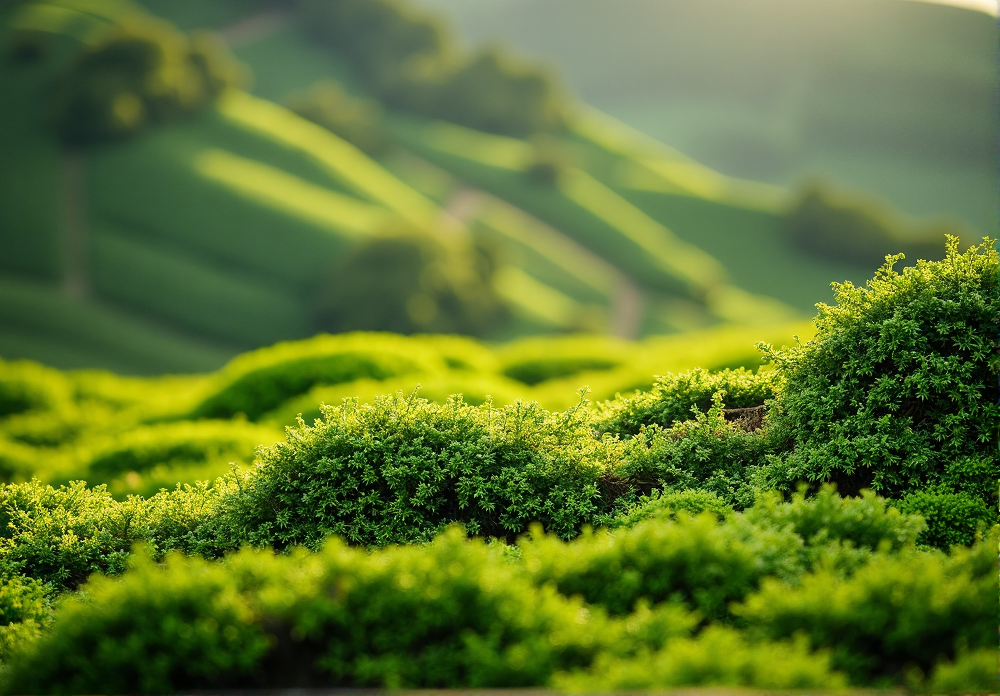
The Essence of Authentic Matcha: A Journey to Japan's Tea Gardens
Matcha, once a staple of traditional Japanese tea ceremonies, has transcended its cultural origins to become a global phenomenon, gracing everything from vibrant lattes to innovative culinary creations. Its distinctive emerald hue and nuanced flavor profile have captivated palates worldwide, but the essence of authentic matcha lies in its meticulous cultivation and processing, deeply rooted in Japanese agricultural practices and traditions. The journey to understanding true matcha begins in the heartlands of Uji and Nishio, regions celebrated for their generations-old expertise in producing this revered beverage. These areas, with their unique climates and farming methods, provide the ideal conditions for cultivating the exceptional tea leaves that are transformed into the fine powder we know as matcha. The story of matcha is not just about a drink, it’s a narrative woven into the fabric of Japanese culture, agriculture, and culinary arts, with sustainability and climate change playing an increasingly important role.
The popularity of matcha has seen a surge, extending beyond the traditional Japanese tea ceremony into everyday life, from cafes offering matcha lattes to bakeries incorporating it into pastries. This global demand underscores the importance of understanding what constitutes authentic matcha and the intricate processes that set it apart. Authentic matcha production is an art form that combines agricultural wisdom with meticulous craftsmanship. The unique shade-growing method, the careful hand-picking of tea leaves, and the traditional stone-grinding process are all essential to producing the finest quality matcha. This commitment to tradition, deeply ingrained in Japanese culture, is a key factor in the distinctive taste, aroma, and texture of authentic matcha.
The cultivation of tea in Uji and Nishio is a testament to the harmony between agriculture and the environment. These regions have developed sustainable farming practices over centuries, ensuring the longevity of their tea plantations and the quality of their matcha. The delicate balance between tradition and innovation is evident in the ways farmers are adapting to climate change, ensuring the future of matcha production.
This adaptation includes exploring new shade materials and innovative farming techniques that mitigate the effects of rising temperatures and erratic weather patterns, demonstrating a deep commitment to both their craft and the environment. Understanding the nuances of matcha production, from the shade-grown tea fields to the final stone-ground powder, is crucial for appreciating the depth of this revered beverage.
Meanwhile, it is a testament to the dedication of Japanese tea farmers, the richness of Japanese culture, and the intricate relationship between food, agriculture, and sustainability. The story of authentic matcha is a journey that connects the past, present, and future, highlighting the importance of preserving traditions while adapting to the challenges of a changing world.
The Art of Shade-Growing: Cultivating Emerald Green Treasures
Stepping into the hushed tea fields of Uji and Nishio is like entering a world where time slows down, a testament to the meticulous artistry of matcha cultivation. Weeks before the harvest season, a unique agricultural ballet unfolds as farmers meticulously erect delicate shade structures over the tea plants, a practice known as ‘ooishita.’ This ancient technique, deeply rooted in Japanese agricultural tradition, transforms the tea fields into a tapestry of light and shadow, orchestrating a symphony of flavor and aroma within the leaves. By reducing sunlight exposure by approximately 90%, the tea plants are coaxed into producing higher levels of chlorophyll, the pigment responsible for matcha’s signature vibrant emerald green hue. This shade-growing process also stimulates the production of amino acids, particularly L-theanine, which contributes to matcha’s distinctive umami-rich sweetness and smooth, less astringent taste. For those intrigued by the art of compressed tea traditions, exploring Yunnan’s pu-erh reveals another layer of cultural depth in tea cultivation.
The ‘ooishita’ method, passed down through generations, showcases the profound connection between Japanese culture and its reverence for nature’s delicate balance. The specific type of shading material used, ranging from traditional straw mats to modern synthetic nets, can influence the final flavor profile of the matcha, further highlighting the nuanced artistry of this agricultural practice. In Uji, renowned for its gyokuro, a type of shade-grown green tea similar to matcha, farmers often employ reed screens and rice straw, contributing to a subtly sweet and vegetal flavor. Nishio, known for its bolder matcha, often utilizes deeper shade, resulting in a more robust, umami-forward flavor profile. This regional variation underscores the impact of terroir and specific agricultural practices on the final cup. For those seeking a deeper connection to nature and tradition, Kerala’s retreat centers offer a serene escape.
The shade-grown leaves, destined to become the prized matcha powder, are hand-picked with utmost care, typically during the first harvest of the year. This careful selection ensures that only the youngest, most tender leaves, known as ‘tencha,’ are used, contributing to the matcha’s superior quality and refined flavor. The ‘ooishita’ method, while labor-intensive, is a cornerstone of authentic matcha production, a testament to the dedication and artistry of Japanese tea farmers. This sustainable practice not only enhances the flavor and quality of the tea but also contributes to the preservation of traditional agricultural knowledge, ensuring the future of this revered beverage in the face of climate change challenges. As temperatures rise and weather patterns become increasingly unpredictable, the shade structures offer a crucial buffer against extreme conditions, protecting the delicate tea plants and ensuring a stable yield. This adaptation underscores the resilience and ingenuity of Japanese tea farmers as they navigate the complexities of a changing climate and strive to maintain the integrity of this centuries-old tradition.
From Leaf to Powder: The Traditional Stone-Grinding Method
There’s something almost magical about matcha—how a few weeks under shade cloth and the patient turn of a stone mill can transform humble tea leaves into that luminous, emerald-green powder we whisk into frothy perfection. This isn’t just agriculture; it’s alchemy, perfected over centuries in the misty hills of Uji and Nishio, where the air itself seems to carry the scent of tradition. And at the heart of it all? Tencha—those shade-grown leaves, pampered under layers of *ooishita* netting until they’re packed with chlorophyll and amino acids, their flavors deepening in the dim light like a secret whispered between generations of farmers. Strip away the stems, the veins, the imperfections, and what remains is pure potential, ready to be coaxed into something extraordinary.
Then comes the grind. Not the quick, heat-generating whir of modern machinery, but the slow, rhythmic dance of the *meguruishi*—a massive granite wheel—against its stationary partner, the *kikarashi*. It’s a process so deliberate it borders on meditative. The stone barely kisses the leaves, crushing them into a powder so fine it feels like silk between your fingers. No heat, no rush, just time and gravity doing their quiet work. Industrial methods? They’ll get the job done faster, sure, but at what cost? A little too much friction here, a spike in temperature there, and suddenly that vibrant green dulls, those delicate floral notes turn bitter. Matcha shouldn’t taste like regret.
And let’s be honest—there’s something deeply satisfying about a process that refuses to bow to efficiency. Stone-grinding is stubbornly, beautifully old-school. No electricity, no assembly lines, just hands and stone and the kind of patience that’s becoming rarer by the day. In a world racing toward automation, matcha’s traditional methods feel like a quiet rebellion. They’re also, not coincidentally, far gentler on the planet. As climate change tightens its grip on tea-growing regions—bringing erratic weather, shifting harvests, and creeping pests—these low-impact practices aren’t just quaint; they’re a lifeline.
But here’s the thing: the real magic of stone-ground matcha isn’t just in the cup. It’s in the stories it carries. The farmer who knows each bush by heart. The artisan who can tell the difference between a powder ground at dawn versus dusk. The generations of knowledge embedded in every sip. When you choose matcha made this way, you’re not just buying tea—you’re keeping a tradition alive. And in a world that’s constantly reinventing itself, that’s no small thing.
Decoding Matcha Grades: From Ceremony to Culinary Delights
Matcha is not a monolithic product; it exists across a spectrum of grades, each meticulously crafted for specific purposes and experiences. The most revered is ceremonial grade matcha, the heart of the Japanese tea ceremony. This grade, often sourced from the first harvest of shade-grown tea leaves, is characterized by its vibrant, almost electric green hue, a testament to its high chlorophyll content. Its texture is exceptionally smooth, almost velvety, and it offers a delicate, sweet, and subtly vegetal flavor profile, devoid of any bitterness. The production of ceremonial grade matcha is a painstaking process, demanding the highest quality leaves and the most precise stone-grinding techniques, which explains its higher price point and limited availability. In the realm of matcha, the differences between grades are not just about taste but also about the story of its creation and the traditions it upholds.
Premium grade matcha, while still exhibiting a beautiful green color, presents a slightly more robust flavor profile. It maintains a good balance of sweetness and umami, the savory fifth taste, making it a versatile choice for both everyday enjoyment and more casual tea preparations. This grade is often used in lattes, smoothies, and other mixed drinks, where its flavor can stand out without being overpowering. The leaves for premium grade matcha might come from slightly later harvests or have a slightly different shade-growing duration, resulting in a more pronounced flavor compared to ceremonial grade. Moving down the spectrum, culinary grade matcha is designed specifically for cooking and baking. It has a bolder, more assertive flavor, often with a hint of bitterness, which allows it to cut through other flavors in recipes. This grade is ideal for adding a matcha flavor to baked goods, ice cream, and savory dishes. Culinary grade matcha tends to be more affordable and readily available, making it an accessible option for those looking to incorporate matcha into their daily cooking. The varying grades also reflect the agricultural practices involved in tea cultivation. The specific shade-growing techniques, the timing of harvests, and even the parts of the tea plant used to produce different grades of matcha, all contribute to the final product. Sustainable practices are paramount throughout this process, ensuring the long-term viability of tea farms and the continued availability of quality matcha. For instance, farmers in Uji and Nishio are experimenting with different types of shade coverings, balancing traditional methods with modern innovations to optimize yield and minimize environmental impact. The subtle differences in flavor and color between matcha grades are also indicative of the impact of climate change on tea farming. Rising temperatures and shifting weather patterns can affect the levels of chlorophyll and amino acids in tea leaves, thus influencing the quality of the final matcha powder. Farmers are continuously adapting their cultivation techniques to mitigate these effects, which includes adjusting the duration of shade-growing periods, using drought-resistant tea plant varieties, and exploring more efficient water management strategies. The selection of the right matcha grade is not merely a matter of taste; it is a decision that reflects an appreciation for the complex processes involved in producing this revered tea and an awareness of the challenges facing the tea industry in a changing world. Therefore, understanding the nuances of each grade allows consumers to make informed choices that support both their individual preferences and the sustainability of authentic matcha production.
The Art of Preservation: Safeguarding Matcha's Essence
Preserving matcha’s vibrant emerald hue and nuanced flavors, a testament to centuries of Japanese tea cultivation, demands meticulous storage practices. Exposure to light, heat, and humidity are detrimental, accelerating oxidation and degrading the tea’s delicate chemical composition, resulting in a loss of both color and aroma. Think of it as safeguarding a precious jewel; proper care ensures its brilliance endures. To maintain matcha’s freshness and integrity, store it in an airtight container, shielded from direct sunlight and fluorescent lights, in a cool, dry place. An opaque, airtight tin or a specialized matcha storage container is ideal. Refrigeration is often recommended, especially for longer-term storage, further slowing down oxidation and preserving the tea’s vibrant green color and complex flavor profile.
However, avoid temperature fluctuations; ensure the container is tightly sealed to prevent the matcha from absorbing moisture or odors from other foods. For those who truly appreciate the nuances of Uji or Nishio matcha, investing in a vacuum-sealed container, coupled with refrigeration, is the gold standard for preservation, safeguarding the tea’s delicate essence. The Japanese tea ceremony, with its emphasis on harmony and reverence, reflects this deep respect for matcha and the meticulous care taken in its preparation and preservation. From the moment the shade-grown leaves are harvested to the final whisked bowl, every step is imbued with intention and precision. This mindful approach extends beyond the ceremony itself, informing the way matcha is stored and handled in daily life.
Just as tea farmers in Uji and Nishio employ sustainable practices to protect their crops from the increasing threats of climate change, consumers can play their part by preserving their matcha correctly, minimizing waste and honoring the efforts that go into producing this exceptional tea. Storing matcha properly not only protects its flavor and color but also preserves the cultural heritage it embodies, from the meticulous shade-growing techniques in the tea gardens to the traditional stone-grinding methods. It’s a tangible link to the rich history and artistry of Japanese tea culture, a connection that deepens with each carefully prepared bowl. Consider dividing your matcha into smaller portions for daily use, leaving the bulk of the tea sealed and stored in optimal conditions. This practice further minimizes the tea’s exposure to air and humidity, ensuring each cup retains its peak freshness and flavor.
Furthermore, be sure to use a clean, dry scoop each time you access your matcha to avoid introducing moisture or contaminants. By understanding the factors that impact matcha’s quality and implementing these simple storage practices, you can savor its unique character and fully appreciate the dedication that goes into crafting this extraordinary tea, from the fields of Japan to your cup.
Navigating the Future: Climate Change and the Fate of Matcha
The delicate balance of nature that cultivates authentic matcha is facing an unprecedented challenge: climate change. Shifting weather patterns, rising temperatures, and the increased frequency of extreme weather events like typhoons and droughts are significantly impacting tea plant growth and yield, threatening the very future of this revered beverage. In Uji and Nishio, the heartlands of Japanese matcha production, these changes are not mere predictions but tangible realities that farmers grapple with daily. Japan’s traditional tea regions have long been the foundation of matcha’s unique qualities, and the resilience of these areas will be key to preserving its legacy.
However, the rapid and unpredictable nature of climate change presents an entirely new set of obstacles.
Preserving a Legacy: The Future of Authentic Matcha
Authentic matcha embodies a profound connection between Japanese tradition, artisanal craftsmanship, and the natural world. The meticulous process, from the cultivation of shade-grown tea leaves in regions like Uji and Nishio to the time-honored method of stone-grinding, showcases a dedication to quality and a deep respect for the tea itself. These practices, honed over centuries, not only produce the vibrant green powder we know as matcha but also represent a cultural heritage that resonates far beyond the simple act of drinking tea. The unique umami flavor, the smooth texture, and the vibrant color are all testaments to the care and precision involved at each stage of its creation, aspects that are fundamental to understanding authentic matcha.
The delicate balance between agriculture and artistry is what truly distinguishes matcha from other green teas. The careful manipulation of the tea plants through shade-growing techniques, known as ooishita, directly influences the chemical composition of the leaves, enhancing the production of chlorophyll and amino acids. This results in the signature vibrant green color and the complex, subtly sweet flavor that characterizes high-quality matcha. Farmers in Uji and Nishio have passed down these techniques for generations, each one contributing to the rich tapestry of matcha’s heritage. This is not merely a production process; it is a cultural practice that is intrinsically linked to the Japanese tea ceremony and the broader appreciation of nature’s gifts.
Furthermore, the traditional stone-grinding process, using granite stones, is crucial for preserving the delicate flavors and aromas of the tea leaves. Unlike modern methods, this slow and gentle process avoids generating heat, which could degrade the quality of the matcha. The resulting powder is incredibly fine, allowing for a smooth and velvety texture when whisked with hot water, an experience fundamental to the enjoyment of authentic matcha. The deliberate and patient approach to grinding is a reflection of the Japanese philosophy of taking time to appreciate the subtleties of nature and art. The varying grades of matcha, from ceremonial to culinary, offer a wide range of experiences, each reflecting a specific balance of flavor, color, and texture.
However, climate change presents a significant challenge to the future of matcha cultivation. Shifting weather patterns, rising temperatures, and increasingly frequent extreme weather events are impacting tea farms in Uji and Nishio. These changes can affect the yield, quality, and overall sustainability of matcha production.
Farmers are adapting by exploring innovative techniques, such as using new shade materials and experimenting with different farming practices, all in an effort to mitigate the negative impacts of climate change. Preserving the tradition of authentic matcha requires a commitment to sustainable agriculture and a recognition of the delicate balance between nature and human activity. By understanding the intricacies of matcha production and the challenges it faces, consumers can make informed decisions that support the preservation of this rich cultural heritage.