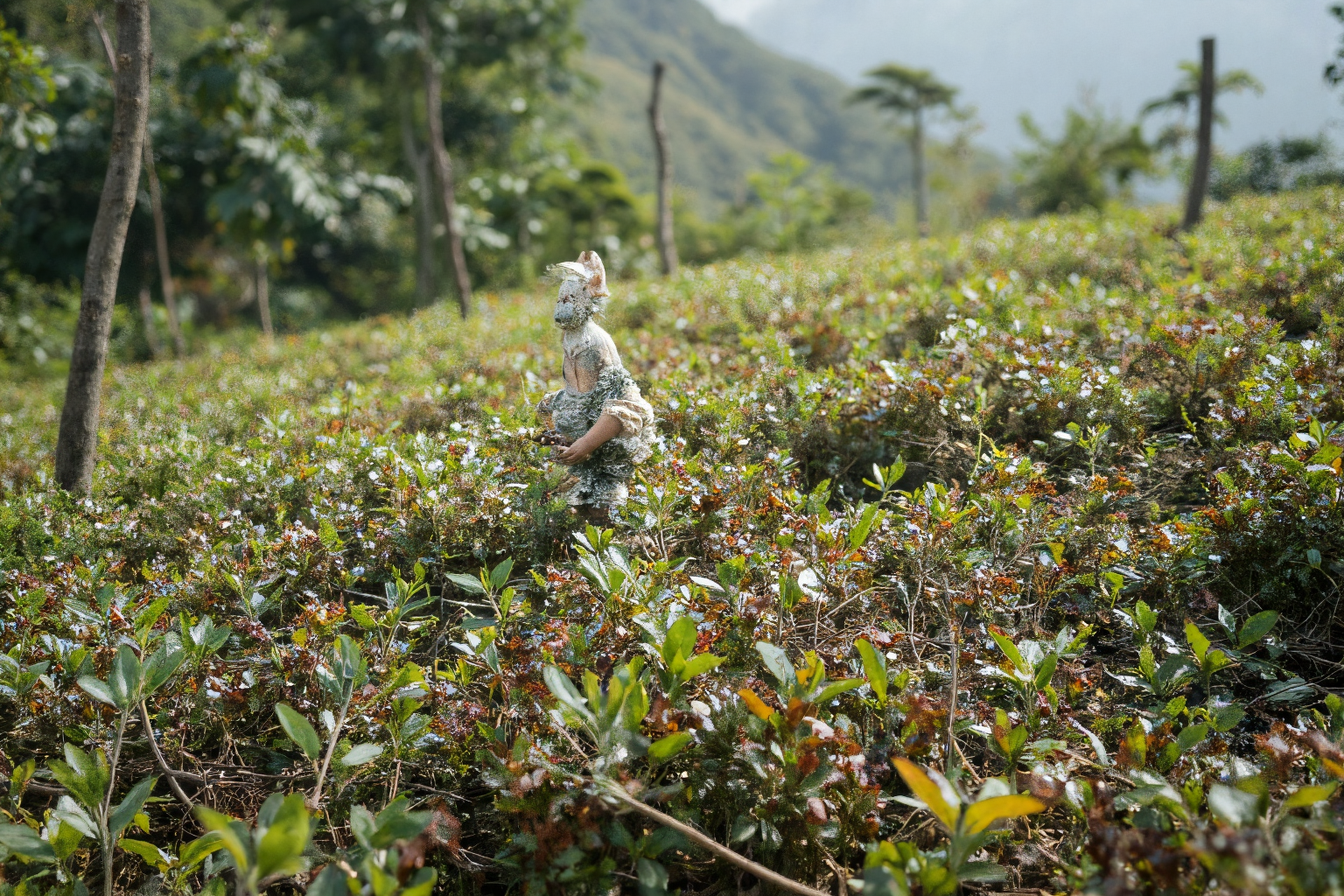
Unveiling Taiwan's High-Altitude Tea Treasures
Taiwan, an island nation celebrated for its breathtaking mountain ranges and lush landscapes, is also a hidden gem for tea connoisseurs worldwide. Its high-altitude regions, often shrouded in mist and blessed with mineral-rich soil, provide the perfect terroir for cultivating some of the world’s most extraordinary teas. These unique growing conditions—cool, misty air, abundant rainfall, and dramatic day-night temperature variations—enable tea plants to develop complex, nuanced flavors unmatched by lower-elevation varieties. From the famed Alishan and Lishan oolongs to rare cultivars like Ruby Black Tea and Oriental Beauty, Taiwan’s high-altitude teas offer a sensory experience rooted in geography and climate.
The terroir of Taiwan’s mountainous tea regions is a cornerstone of their exceptional quality. From the slopes of Alishan to the peaks of Dayuling, variations in altitude, soil composition, and microclimate yield a diverse spectrum of flavor profiles. The mineral-rich soils, shaped by ancient volcanic activity, impart distinct earthy and mineral notes to the leaves. At higher elevations, slower growth rates allow tea plants to concentrate essential oils, enhancing aroma and depth. This meticulous attention to environmental factors has been refined over generations, forming the foundation of Taiwan’s tea cultivation philosophy and ensuring each harvest reflects its specific mountain origin.
Beyond their sensory appeal, these high-altitude teas hold deep cultural significance in Taiwan. Tea ceremonies, an integral part of daily life and tradition, frequently feature these prized varieties, reflecting reverence for their craftsmanship and flavor. The artistry of brewing, the elegance of teaware, and the ritual of serving all underscore a profound cultural appreciation. These teas are often gifted as symbols of respect and friendship, reinforcing their role as more than mere beverages—they are vessels of connection and heritage. Understanding this cultural context enriches the experience of tasting, transforming each sip into a meaningful encounter with Taiwanese tradition.
Sustainability is vital to preserving Taiwan’s high-altitude tea heritage for future generations. Many tea farmers have embraced environmentally responsible practices, including organic farming and the minimization of pesticides, to protect the fragile mountain ecosystems. These efforts safeguard not only the health of the tea plants but also the biodiversity of the surrounding environment. By supporting these sustainable initiatives, consumers contribute to the long-term viability of these unique tea gardens and the communities that tend them. Responsible tea consumption ensures that the exquisite flavors and cultural legacy of Taiwan’s high-altitude teas endure, honoring both nature and tradition.
Spotlight on Rare Cultivars
Taiwan’s high mountains serve as a sanctuary for rare tea cultivars, each with a unique story and flavor profile. Among these, Ruby Black Tea, known locally as ‘Hong Yu,’ is a relatively recent development from the Taiwan Tea Research and Extension Station. This black tea is renowned for its distinctive ‘Taiwan Ruby’ flavor, characterized by a sweet aroma of cinnamon and mint, and a vibrant ruby-red infusion. Its unique qualities have garnered international acclaim, making it a prized variety among tea enthusiasts worldwide. Another notable cultivar is Wild Mountain Tea, or ‘Shan Cha,’ which thrives in the remote, untamed areas of the mountains. This tea boasts complex floral notes, ranging from orchid to jasmine, reflecting the diverse ecosystem in which it grows. Often hand-picked by indigenous communities, Wild Mountain Tea is a testament to the deep-rooted connection between the Taiwanese people and their land.
Oriental Beauty, also known as ‘Bai Hao Oolong,’ is another unique Taiwanese tea. Its distinctive honeyed sweetness and fruity notes result from an interaction between the tea leaves and the tea green leafhopper. This tiny insect feeds on the leaves, triggering a defense mechanism in the tea plant that develops the characteristic flavors and aromas. The varied colors of the tea leaves, from white to brown, visually represent this biological interaction. The careful hand-picking of these leaves at specific times ensures the optimal flavor profile for this highly prized tea. Cultivating Oriental Beauty requires a delicate balance, with farmers often using organic methods to encourage the presence of these leafhoppers, demonstrating sustainable farming practices that enhance the tea’s quality.
Beyond these well-known varieties, Taiwan’s high-altitude regions are home to a wealth of other rare tea cultivars. Each of these teas possesses its own nuanced flavor profile and story, such as the ‘Qing Xin Oolong,’ which forms the basis for many high mountain oolongs. The specific growing conditions at these high altitudes, including cooler temperatures, increased rainfall, and unique soil mineral composition, contribute to the distinct character of these teas. Tea tourism in these areas offers visitors a chance to witness this unique terroir firsthand, providing cultural and culinary insights into the dedication and artistry involved in Taiwanese tea production.
The meticulous tea processing techniques further enhance the unique characteristics of these rare cultivars. Traditional methods, passed down through generations, involve careful hand-picking of the leaves, followed by specific withering, rolling, oxidation, and firing processes. Each step is carefully monitored to achieve the desired flavor profile, whether the tea becomes a green tea, oolong tea, or black tea. These processes are an art form requiring a deep understanding of the tea leaves and the desired end product. Many Taiwanese tea farmers embrace sustainable practices, such as organic farming, to preserve natural flavors and ensure the long-term health of the tea plants and the environment. This approach aims to maintain tea quality and the biodiversity of the surrounding ecosystem.
The rich history of Taiwanese tea is deeply intertwined with the island’s culture and the lives of its people. Tea has been cultivated in Taiwan for centuries, and its production and consumption are integral to the island’s heritage. These rare high-altitude teas symbolize Taiwan’s unique terroir and the dedication of its tea farmers. They represent a connection to the land and a legacy of craftsmanship passed down through generations. Supporting these teas and their sustainable production practices ensures that these unique treasures will be available for future generations to enjoy. The act of tea brewing and sharing in Taiwan is a social ritual, a moment of calm reflection, and a way to connect with others, further solidifying its cultural importance.
Terroir's Influence
The unique microclimates of Taiwan’s high-altitude regions are undeniably pivotal in shaping the exceptional quality of its teas. These mountainous areas, often shrouded in mist, create conditions that are markedly different from lower-lying regions, leading to variations in altitude, temperature, soil composition, and rainfall that profoundly influence the tea plants’ growth and, consequently, the flavors and aromas of the leaves. The dramatic shifts in temperature between day and night, a common characteristic of these high-altitude locations, slow down the growth of the tea plants, resulting in leaves with a more concentrated flavor profile. This is why Taiwan’s rare tea cultivars, such as Ruby Black Tea, Wild Mountain Tea, and Oriental Beauty, possess such distinctive and sought-after qualities.
The influence of terroir extends beyond just temperature. The soil composition, typically volcanic and rich in minerals, also plays a critical role.
These mineral-rich soils contribute to the complexity of the tea’s flavor, adding subtle notes that are unique to each specific region. For example, the unique soil composition in the Alishan region is known to impart a distinct sweetness and floral aroma to the oolong teas grown there. The consistent rainfall, coupled with the high humidity and misty conditions, creates an environment where the tea plants thrive, further enhancing their flavor. This delicate balance of environmental factors is what makes Taiwanese high-altitude tea so special.
Furthermore, the altitude itself is a crucial factor. As elevation increases, the air becomes thinner and the ultraviolet radiation intensifies, prompting the tea plants to produce higher levels of antioxidants and other beneficial compounds. This not only enhances the health benefits of the tea but also contributes to its complex flavor profile. The higher the altitude, the more pronounced these characteristics tend to be. In regions like Lishan, some of Taiwan’s highest tea-growing areas, the tea leaves develop a unique sweetness and a remarkably smooth mouthfeel, a testament to the impact of altitude on tea quality. This is why tea tourism in these areas is so popular, as visitors seek to experience the unique terroir firsthand.
The cool, misty air that blankets these mountains acts as a natural humidifier, preventing the tea leaves from drying out too quickly and allowing for a more even and gradual growth. This controlled environment, combined with the mineral-rich soils, contributes to the exceptional character of these teas, making them highly prized by tea connoisseurs around the world. The specific combination of these factors creates a unique microclimate for each tea plantation, resulting in subtle but significant variations in flavor and aroma, even within the same cultivar. These variations are what make exploring Taiwanese tea such a fascinating journey, revealing the intricate relationship between nature and tea.
Sustainable tea farming practices are increasingly important in preserving these unique terroirs. Farmers are recognizing the need to maintain the health of the soil and the natural environment to ensure the long-term quality of their teas. Organic farming methods, minimal use of pesticides, and careful management of water resources are all part of this commitment. By embracing sustainable practices, tea farmers are not only protecting the environment but also ensuring that future generations can continue to enjoy the exceptional flavors of Taiwan’s high-altitude teas. This dedication to sustainability is a vital part of the Taiwanese tea culture, showcasing the deep respect for the land and its resources.
Cultivation & Processing
Taiwanese tea production is a delicate dance between time-honored tradition and modern innovation, a true blend of art and science. From the moment the tender leaves are hand-picked, often by skilled workers navigating steep mountain slopes, to the final firing process, each step is carefully orchestrated to unlock the unique potential of each tea cultivar. This meticulous approach, passed down through generations, is a testament to the deep respect for the tea plant and the land it grows on. The harvesting process itself is a crucial aspect, with specific times of the year and even the time of day influencing the quality and flavor profile of the resulting tea, showcasing the intimate connection between the tea and its environment. The art of tea making in Taiwan is not just about following procedures; it is about understanding the subtle nuances of each leaf and coaxing out its best qualities.
The journey from leaf to cup is a multi-stage process. After harvesting, the leaves undergo withering, a process where they are spread out to lose moisture. This is followed by rolling, which breaks the cell walls and initiates oxidation. Oxidation is a critical step, determining the type of tea produced, with oolongs, for example, undergoing partial oxidation.
Finally, the leaves are fired, halting oxidation and locking in the flavor. Each of these steps is carefully controlled, with variations in time, temperature, and technique leading to the diverse range of Taiwanese tea flavors. These traditional methods are often complemented by modern technology, allowing for greater precision and consistency in production, while still preserving the essence of the craft. Sustainable practices are becoming increasingly important in Taiwan’s tea industry, driven by a desire to protect the environment and ensure the long-term viability of tea farming. Organic farming methods, which avoid the use of synthetic pesticides and fertilizers, are gaining popularity, as is the practice of minimal intervention, allowing the tea plants to grow more naturally. These practices not only produce healthier tea but also contribute to the overall health of the ecosystem, preserving the biodiversity of Taiwan’s high-altitude regions. Many tea farmers are also embracing agroforestry, integrating tea cultivation with other crops and trees, creating more resilient and sustainable farming systems. The movement towards sustainable tea farming also extends to water management, with many farms implementing water-saving techniques to conserve this precious resource. Furthermore, the focus on sustainable packaging and waste reduction highlights the commitment of the Taiwanese tea industry to environmental responsibility. The increasing interest in tea tourism in Taiwan provides an opportunity for visitors to witness these sustainable practices firsthand and learn about the complexities of tea cultivation. Tea farms are opening their doors to visitors, offering guided tours, tea-tasting experiences, and even hands-on workshops, allowing them to connect with the land and the culture of tea making. This type of tea tourism not only promotes sustainable practices but also supports local communities and provides an alternative source of income for tea farmers. Visitors can learn about the different stages of tea production, from the careful harvesting of leaves to the intricate art of tea brewing, gaining a deeper appreciation for the craftsmanship involved. These experiences often include insights into the cultural significance of tea in Taiwan, further enriching the visitor’s understanding of this ancient tradition. The rise of sustainable tea farming in Taiwan is not just an environmental imperative; it is also a cultural one, ensuring that the tradition of tea making can be enjoyed by generations to come. By choosing sustainably produced Taiwanese tea, consumers can support these efforts and contribute to the preservation of this unique cultural heritage. The commitment of Taiwanese tea farmers to quality, sustainability, and innovation is what makes the high-altitude teas of Taiwan so exceptional and so deserving of recognition.
Flavor Profiles & Brewing
Each of Taiwan’s high-altitude teas offers a unique sensory journey, a testament to the island’s diverse terroir and meticulous tea processing techniques. Ruby Black Tea, for instance, is not just a beverage; it’s an experience. Its sweet, malty aroma, often laced with subtle hints of cinnamon, transforms into a smooth, lingering finish on the palate. This distinct profile is a result of careful oxidation and firing processes, showcasing the mastery of Taiwanese tea artisans. The tea’s robust flavor makes it a versatile choice, pairing well with both sweet and savory foods, making it a staple in Taiwanese tea culture and a popular choice for tea tourism experiences. Wild Mountain Tea, on the other hand, presents a more ethereal profile, captivating with its complex floral notes that dance on the tongue.
These nuanced flavors, ranging from delicate jasmine to hints of orchid, are a direct reflection of the wild, untamed environment in which it grows. The tea’s lingering sweetness and light body make it an ideal choice for those seeking a refined and refreshing tea experience, often enjoyed in traditional Taiwanese tea ceremonies.
This tea’s unique characteristics are highly sought after by connoisseurs, further solidifying its place in the world of rare tea varieties. Oriental Beauty, a unique oolong, is celebrated for its captivating honeyed aroma and fruity notes, a result of the tea leaves being bitten by tiny leafhoppers. This natural process triggers a unique chemical reaction within the leaves, resulting in its distinctive flavor profile and smooth, velvety mouthfeel. The tea’s complexity and sweetness make it a favorite among tea enthusiasts and a shining example of Taiwan’s innovative tea cultivation practices. Beyond the unique flavor profiles of each tea, the art of brewing plays a critical role in unlocking their full potential. Optimal brewing techniques, such as using water heated to the correct temperature and precise steeping times, are essential for extracting the nuanced flavors and aromas. For example, Ruby Black Tea benefits from slightly hotter water and a longer steeping time to fully develop its malty character, while Wild Mountain Tea requires a lower temperature and shorter steep to highlight its delicate floral notes. Oriental Beauty, being an oolong, typically benefits from multiple short infusions, allowing for a progressive unfolding of its complex flavors. Understanding these nuances allows both seasoned tea drinkers and newcomers to fully appreciate the artistry and dedication that goes into each cup of Taiwanese high-altitude tea. The sustainability of these rare tea cultivars is also intricately linked to the flavor profiles and brewing techniques. Sustainable tea farming practices, such as organic methods and minimal intervention, ensure the long-term health of the tea plants and the preservation of the unique terroir. These practices not only protect the environment but also contribute to the exceptional quality and flavor of the tea. Tea tourism in Taiwan often includes educational components about these sustainable practices, allowing visitors to understand the connection between environmental stewardship and the exquisite flavors of these high-altitude teas, fostering a deeper appreciation for the cultural significance and natural heritage they represent.
Preservation Efforts
The delicate balance of Taiwan’s high-altitude tea ecosystem faces increasing pressure from a confluence of modern challenges. Climate change, with its erratic rainfall patterns and rising temperatures, disrupts the precise environmental conditions required for these unique cultivars to thrive. Shifts in rainfall patterns can lead to either drought stress or excessive moisture, both detrimental to tea quality and yield. Rising temperatures also push the ideal growing zones further upslope, shrinking the available land for these specialized tea varieties like Ruby Black Tea and Wild Mountain Tea, potentially impacting their long-term survival.
Moreover, habitat loss due to deforestation and expanding agricultural land for other crops further encroaches upon these precious tea-growing regions. The conversion of land for conventional agriculture often introduces harmful pesticides and fertilizers, posing a threat to the delicate ecological balance of these high-altitude tea gardens and compromising the integrity of the teas. Changing agricultural practices also play a role, with some farmers opting for faster-growing, higher-yielding cultivars, potentially leading to a decline in biodiversity and the loss of these rare, slower-growing varieties.
These endangered cultivars, such as Oriental Beauty, which requires specific insect interaction for its unique flavor profile, are particularly vulnerable to such disruptions. Preserving these exceptional teas requires a multi-pronged approach. Dedicated individuals, tea farmers, and organizations like the Taiwan Tea Research and Extension Station are at the forefront of conservation efforts, working to safeguard Taiwan’s tea heritage for future generations.
Sustainable farming practices, such as organic cultivation and the use of natural fertilizers, are being promoted and implemented to minimize environmental impact and maintain the health of the tea plants and their surrounding ecosystems. Research plays a critical role in identifying the specific threats faced by each cultivar and developing strategies to mitigate them.
This includes studying the impact of climate change on tea growth, exploring methods to enhance resilience, and preserving the genetic diversity of these rare varieties. Educational initiatives are also crucial for raising awareness among consumers and promoting the importance of supporting sustainable tea practices. Tea tourism offers a unique opportunity to engage visitors with the cultural significance of these high-altitude teas and the importance of preserving them.
Meanwhile, by visiting tea farms, participating in tea ceremonies, and learning about the intricate process of tea cultivation, tourists can gain a deeper appreciation for the artistry and dedication involved in producing these exceptional teas. Supporting these initiatives not only safeguards the future of Taiwan’s unique tea cultivars but also contributes to the long-term health of the environment and the cultural heritage of the region.
By embracing sustainable practices and promoting responsible consumption, we can ensure that these exceptional high-altitude teas continue to delight and inspire for generations to come.
Cultural Significance
Tea is deeply woven into the cultural fabric of Taiwan, extending beyond mere refreshment to encompass social rituals, spiritual ceremonies, and traditional medicine. From casual tea gatherings among friends to elaborate Gongfu tea ceremonies, tea serves as a conduit for connection and shared experience. In traditional Taiwanese medicine, high-altitude teas are revered for their perceived health benefits, believed to aid digestion, boost immunity, and promote overall well-being. These rare varieties, often presented as gifts during festivals and special occasions, symbolize respect, gratitude, and good fortune. The artistry of Taiwanese tea culture is reflected not only in the meticulous cultivation and processing methods but also in the elegant teaware and the graceful rituals surrounding tea preparation and consumption. Taiwan’s high-altitude teas occupy a prominent place in the island’s culinary landscape.
Their unique flavor profiles offer exciting pairings with Taiwanese cuisine, complementing the delicate flavors of seafood dishes, enhancing the richness of braised meats, and providing a refreshing counterpoint to sweet pastries. Tea houses, nestled amidst the picturesque mountain landscapes, offer travelers a chance to immerse themselves in the world of Taiwanese tea. Visitors can sample rare high-altitude teas, learn about traditional brewing techniques, and experience the tranquility of tea culture firsthand.
These tea farms often incorporate sustainable agricultural practices, promoting ecotourism and supporting local communities. The economic significance of these teas extends beyond the domestic market, with Taiwan’s high-altitude varieties gaining international recognition and contributing to the island’s reputation as a premier tea producer. The preservation of these unique tea cultivars is essential not only for Taiwan’s cultural heritage but also for the global tea community. The distinct flavors and aromas of Ruby Black Tea, Wild Mountain Tea, and Oriental Beauty offer a glimpse into the biodiversity of Taiwan’s high-altitude terroir. Sustainable farming methods, such as organic cultivation and the use of natural fertilizers, are crucial for preserving these delicate ecosystems and ensuring the long-term viability of these rare tea varieties.
Furthermore, educational initiatives play a vital role in raising awareness about the importance of biodiversity conservation and responsible tea consumption. By supporting sustainable tea practices and promoting responsible tea tourism, we can contribute to the preservation of Taiwan’s unique tea heritage for generations to come.
A Toast to Taiwan's Tea Heritage
As we conclude our exploration of Taiwan’s high-altitude tea treasures, we invite you to embark on your own tea discovery journey, not just as a consumer, but as a participant in a rich cultural narrative. Seek out these rare varieties, such as the captivating Ruby Black Tea, the enigmatic Wild Mountain Tea, and the exquisite Oriental Beauty, and savor the unique stories and flavors each cup holds, appreciating the dedication and artistry that goes into each leaf. The journey of Taiwanese tea isn’t just about the taste; it’s about connecting to the land, the people, and the traditions that have shaped these exceptional brews for generations. By supporting sustainable tea practices, you are not only indulging in a sensory experience but also actively helping to preserve these exceptional teas and the rich cultural heritage they represent, ensuring that future generations can also enjoy these unique flavors. Consider visiting the tea farms themselves; many offer immersive tea tourism experiences, allowing you to see firsthand the meticulous harvesting and processing techniques that contribute to the quality of these teas.
Delving deeper into the world of Taiwanese tea, one can find a profound connection between the tea and the island’s unique environment. The high-altitude microclimates, with their cool, misty air and mineral-rich soils, are not merely a backdrop but are active participants in shaping the tea’s character. These conditions, coupled with the unique Taiwanese tea cultivars, create flavor profiles that are simply unmatched anywhere else in the world. For example, the sweet, malty notes of Ruby Black Tea are a direct result of the specific terroir and careful processing methods employed by Taiwanese tea farmers. The complexity of Wild Mountain Tea, with its floral and herbaceous notes, reflects the biodiversity of the high-mountain ecosystems where it thrives. And the honeyed sweetness of Oriental Beauty is a testament to the unique interaction between the tea leaves and the tiny leafhoppers that contribute to its distinctive flavor. This intricate relationship between nature and cultivation is a key aspect of what makes Taiwanese tea so extraordinary.
The cultural significance of tea in Taiwan extends far beyond a simple beverage. Tea ceremonies, for example, are a deeply rooted tradition, representing respect, hospitality, and a connection to the past. These ceremonies are often performed with rare high-altitude teas, highlighting their value and prestige within Taiwanese society. The act of sharing tea is also a social ritual, fostering connections and conversations among family and friends. In addition, tea plays a role in traditional medicine, with different varieties believed to offer various health benefits. The appreciation of tea in Taiwan is an art form, a way of life, and a symbol of the island’s cultural identity. As a visitor, participating in a tea ceremony or simply enjoying a cup of locally sourced tea is a way to connect with the heart and soul of Taiwan.
Furthermore, the sustainability of these rare tea varieties is a crucial issue that demands our attention. Climate change, habitat loss, and unsustainable farming practices pose significant threats to the future of these exceptional teas. By choosing to support tea farms that employ sustainable methods, such as organic farming, minimal intervention, and biodiversity conservation, we can help ensure the long-term health of the tea plants and the ecosystems they depend on. This also means supporting fair trade practices that empower tea farmers and their communities. When purchasing Taiwanese tea, look for certifications and labels that indicate sustainable sourcing and ethical production. Your choices as a consumer can make a significant difference in the preservation of these rare tea cultivars and their unique cultural heritage. This is not just about enjoying a delicious cup of tea; it is about making a responsible choice that contributes to a more sustainable future.
Finally, consider exploring the world of Taiwanese tea through tea tourism. Many tea farms offer guided tours, tea tasting sessions, and even hands-on workshops, allowing visitors to experience the tea-making process firsthand. This type of travel not only provides a deeper understanding of the tea culture but also supports local communities and their economies.
By visiting these farms, you can witness the passion and dedication of the farmers, learn about the unique characteristics of each tea variety, and appreciate the artistry of tea processing. It is a journey that engages all the senses, from the aroma of the freshly harvested leaves to the taste of the perfectly brewed tea. It is an experience that will leave you with a profound appreciation for the rich heritage of Taiwanese tea and a desire to share its story with others. So, let your tea exploration be a journey of discovery, connection, and appreciation.